From Hourglass Cosmetics to Outside In, Carisa Janes is betting that hospitality, not advertising, is how new beauty brands get discovered.
Carisa Janes founded Hourglass Cosmetics in 2004 and sold it to Unilever in 2017. According to Forbes, she built it without private equity, and she describes the sale as a decision made when taking the company further would have required more cash. Today she is starting over with two newer brands, and she is doing it in a way that looks nothing like a standard beauty launch.
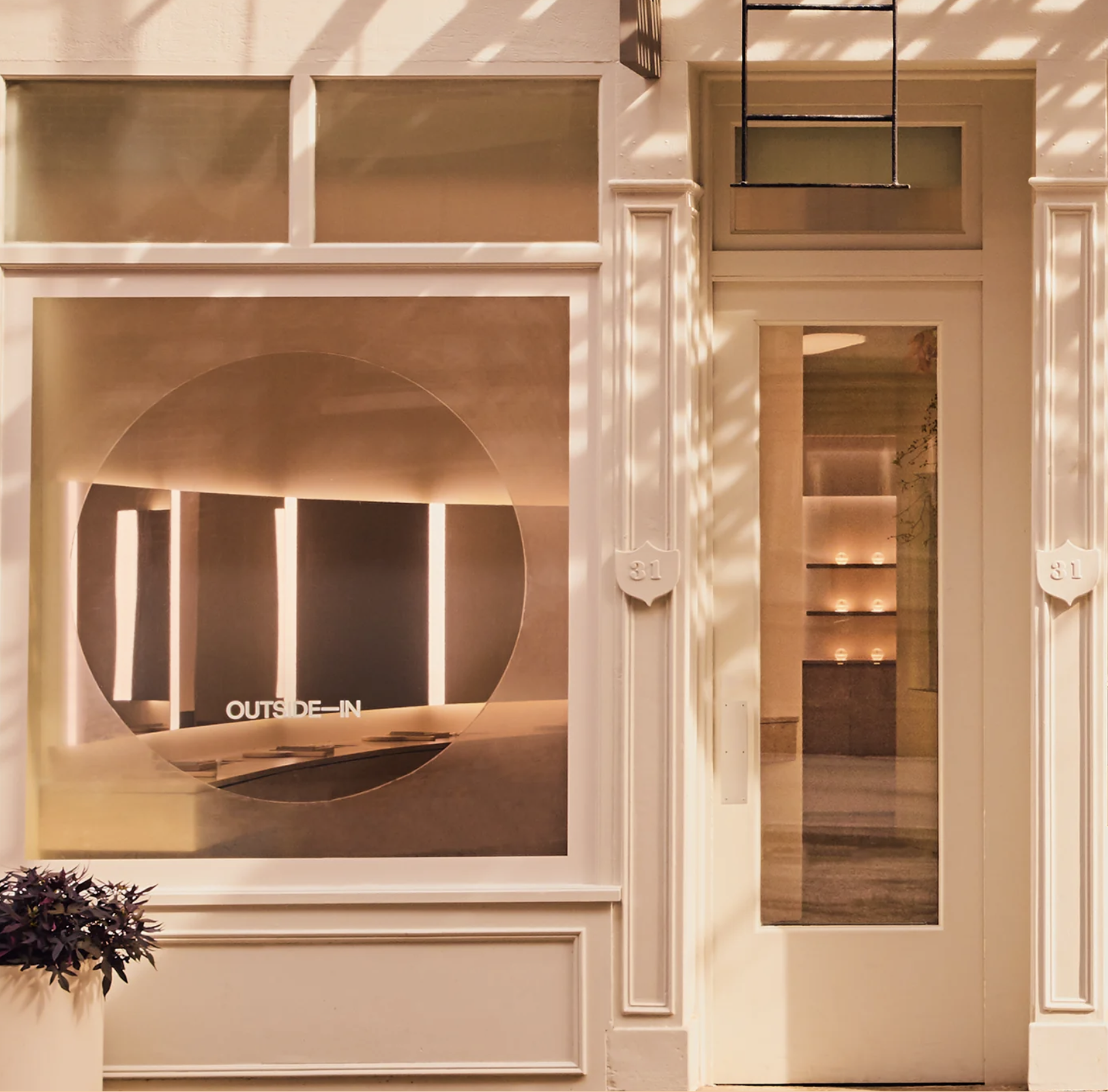
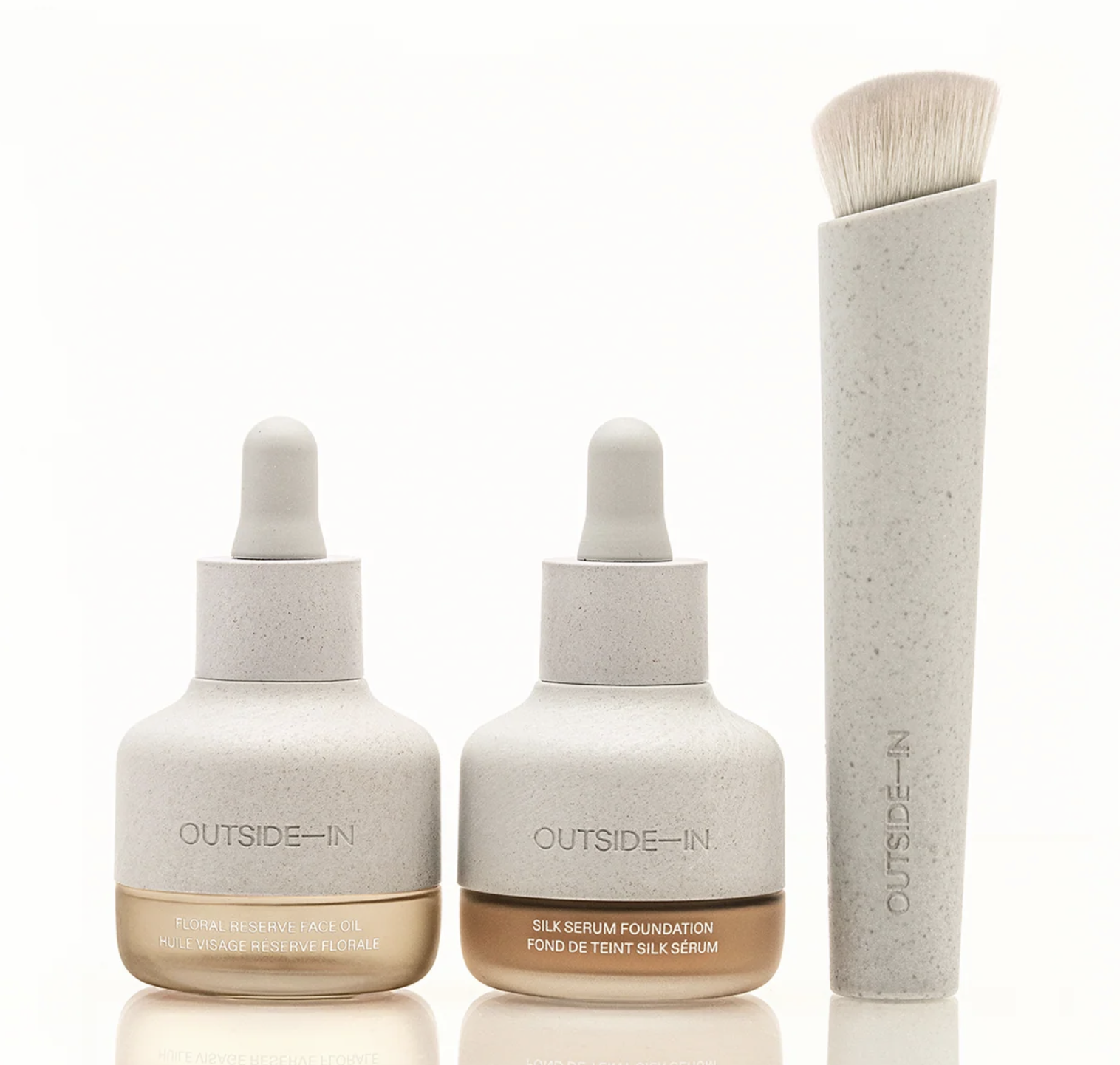
Outside In is a makeup and skincare line with the tagline "Experience Light," built around a Silk Serum Foundation, a face oil, a brush, a mascara, and three fragrances. Nature of Things is a plant-based hair and bath line that Janes acquired in 2023 and relaunched in September 2025. In September 2026, she gave both brands their first permanent home: a joint flagship at 31 Crosby Street in SoHo, with a café inside.
A Flagship Built Around A Reason To Visit
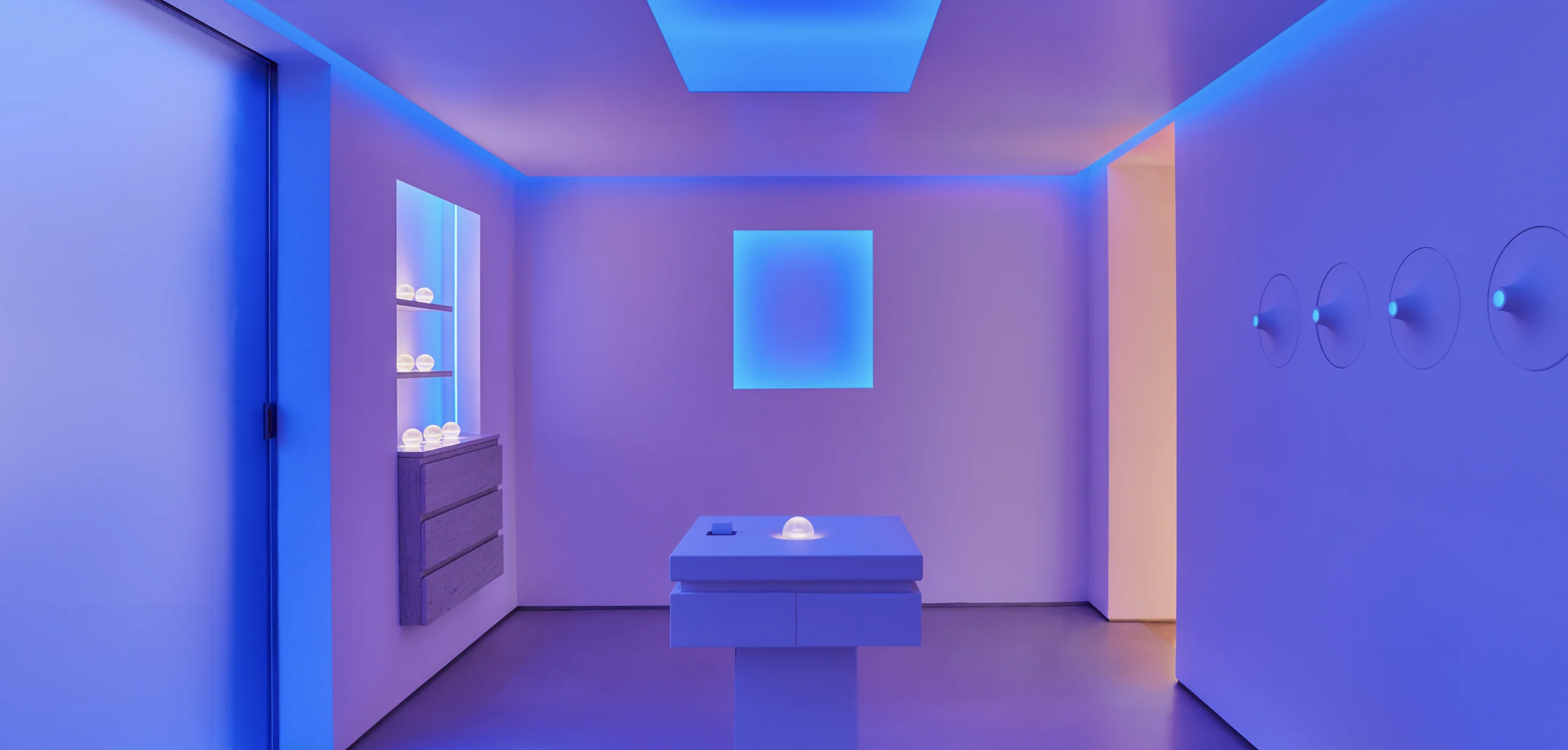
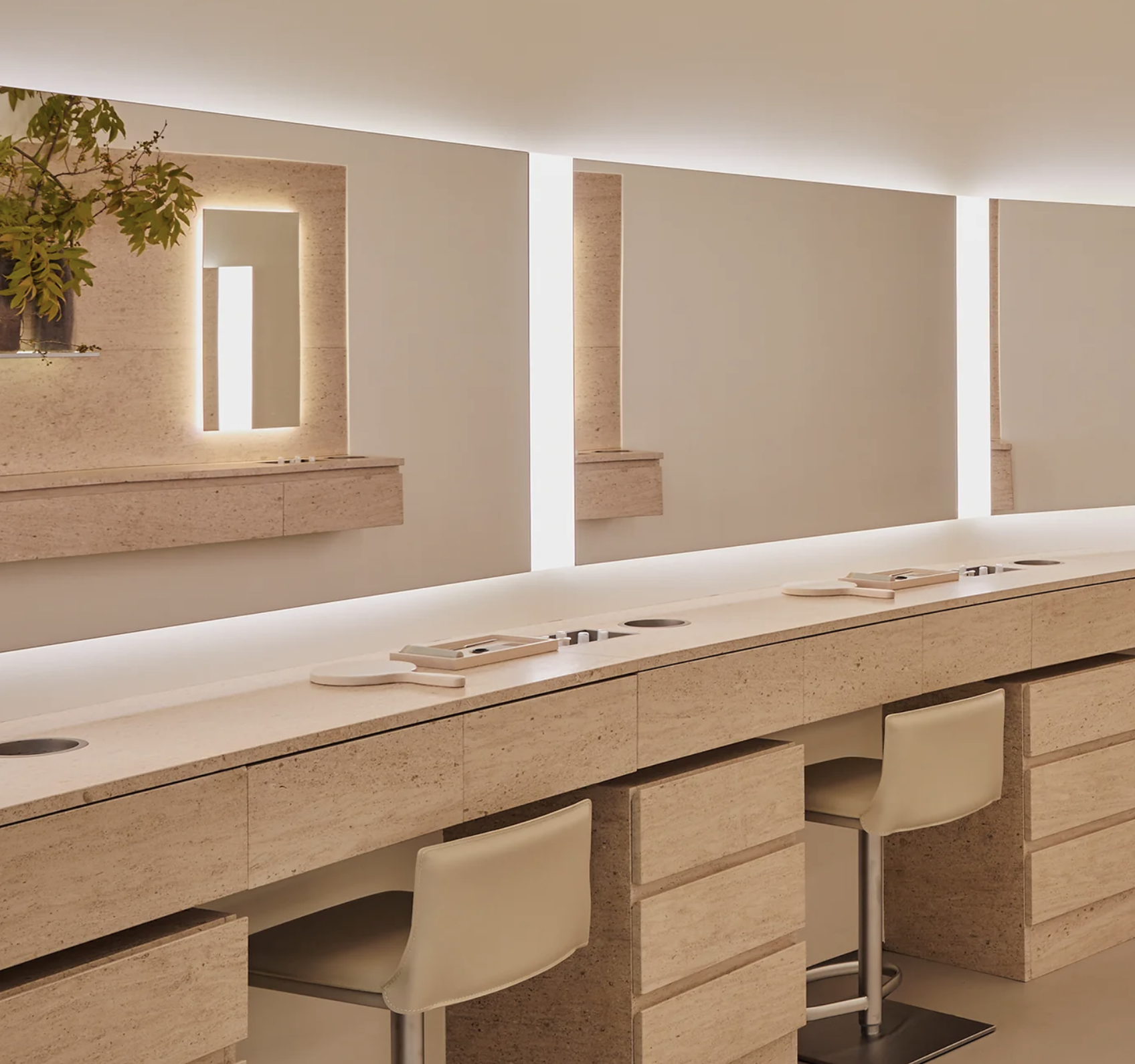
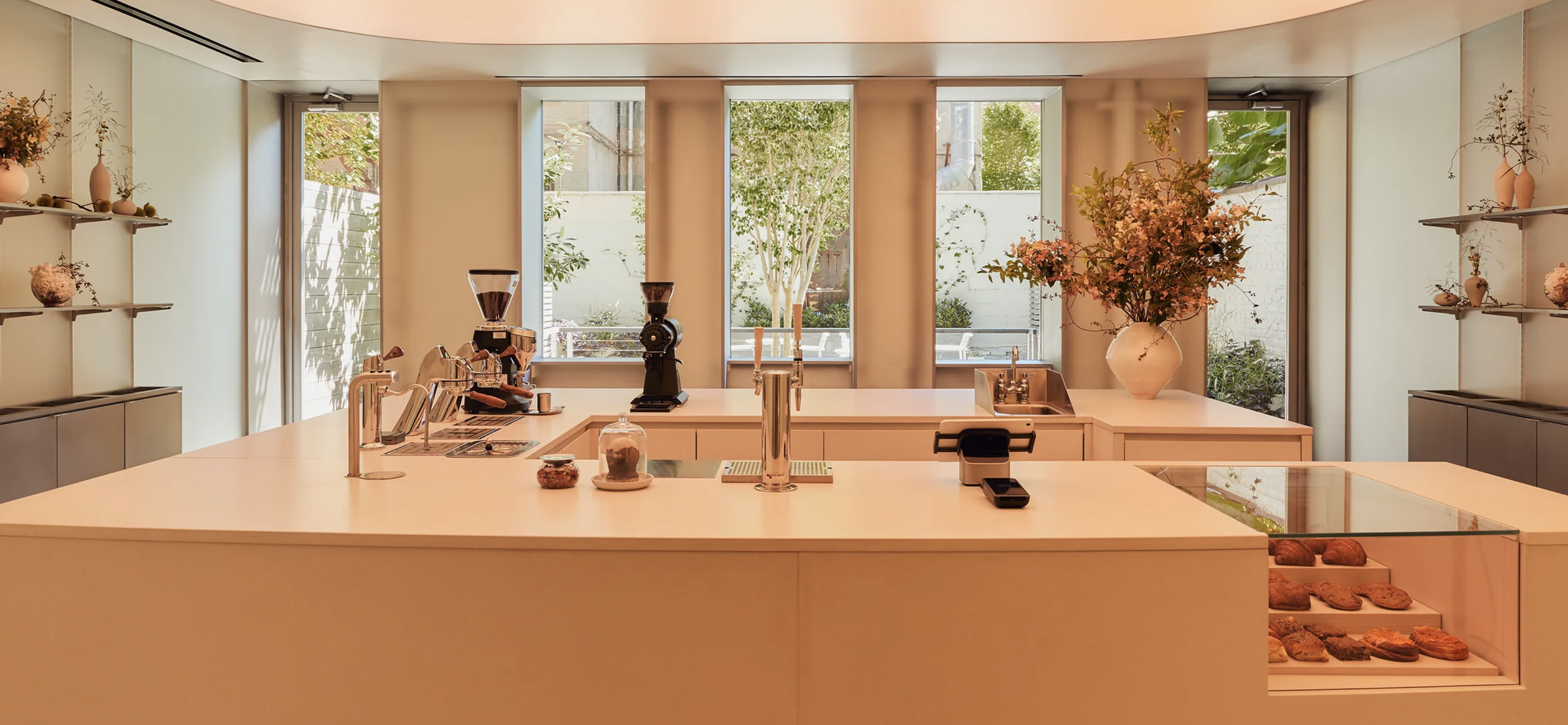
The 2,200-square-foot space combines retail for each brand with a dedicated Fragrance Room, a hidden garden courtyard, and the Outside In Café. Janes designed it with FOG Architecture, a Shanghai firm working on its first U.S. project, drawing on the light installations of artist James Turrell. Per the Outside In site, the fragrances are sold exclusively in the store.
Janes has said plainly why she opened a physical space when many beauty brands are cutting stores: people still want an occasion to dress up, meet a friend for coffee, and shop. Her own phrasing of the strategy is worth keeping on a sticky note: "You need to give people a reason to walk through the door."
That is the thread running through everything about the flagship. The store is not just somewhere to buy products. It is the argument for why a shopper should leave her house.
What The Café Actually Does
The café serves a Dirty Rose Latte and a Rooibos Tonic, along with pastries from the French bakeries Claude, Hungry Gnome, and Bien Cuit. Drinks are served in pottery the team made. Janes has described food service as a way of bringing someone into your home, and she says it extends the experience beyond a transaction.
From a strategy standpoint, the café does three jobs. It gives a shopper a reason to come in without needing to buy anything. It extends the time she spends inside the brand's world, which matters for products that benefit from being tried or discussed. And it makes the brand feel like a place instead of a catalog, which is hard to achieve online. Janes herself has said she could not figure out how to deliver a sensory experience through an online transaction.
The details also signal a point of view. A rose latte, handmade pottery, and French bakeries are choices that match the brands' aesthetic, and consistency is what turns a café from an amenity into a marketing channel.
Discovery Over Advertising
The more interesting part of the strategy may be how Janes is spending on marketing, which is very little. Forbes reports that Outside In and Nature of Things do minimal advertising, relying on social media and word of mouth. Janes calls this intentional, with the goal of connecting with a community instead of buying reach.
Her approach is to cultivate ambassadors and advocates who connect with the brands' vision, and she extends that beyond social media to Substack, editorial, and the neighborhood around the store. Inviting people in to experience the hospitality in person, she says, creates local advocacy.
It is a deliberate contrast with the conventional wisdom. Polly Wong, president of the marketing agency Belardi Wong, told Forbes that in a saturated beauty market, a new brand needs a compelling product and, candidly, a celebrity and a strong group of social media influencers. Janes is choosing a slower route, and one that suits two brands she describes as relatively unknown, where the pleasure for shoppers is in finding them.
The Number Worth Noting
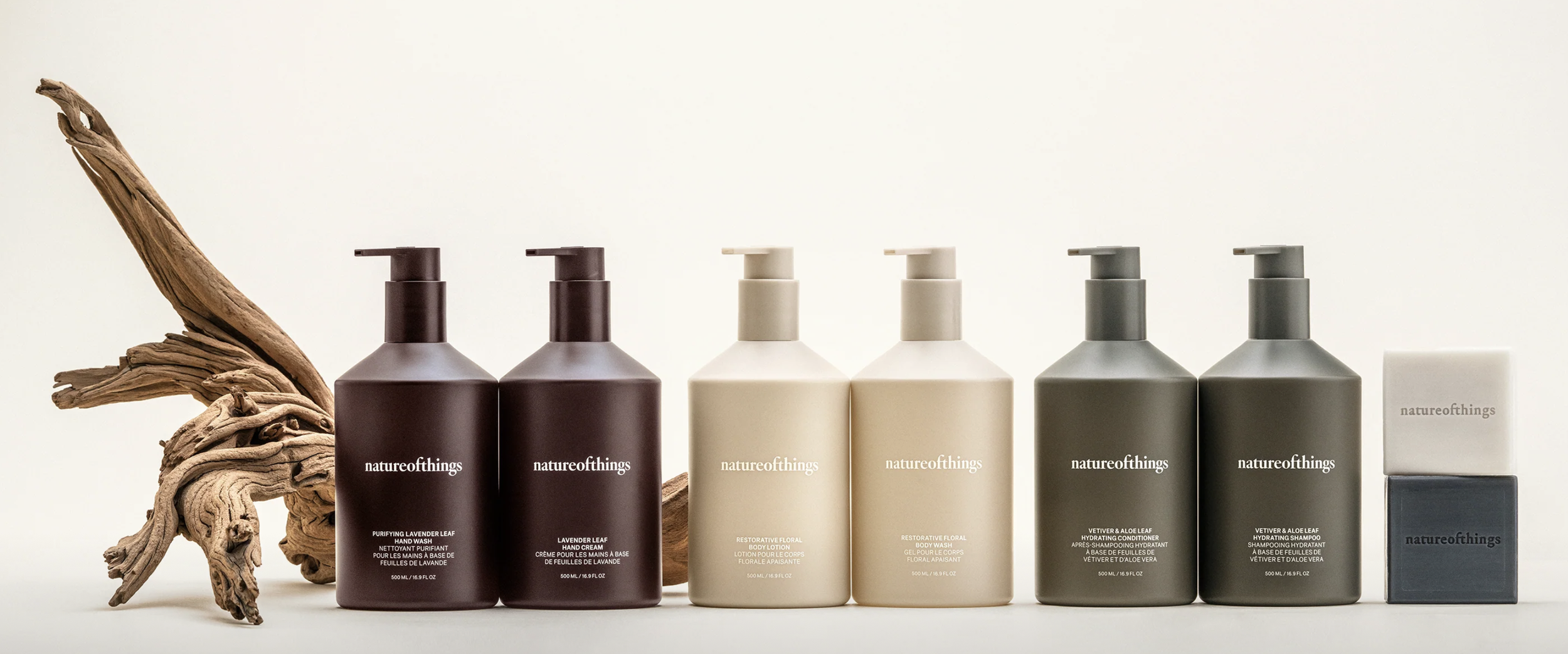
One data point from the Forbes reporting is useful for any founder weighing a similar move. According to unnamed sources, hair products account for about half of in-store retail purchases, excluding café sales. In other words, a store designed around a makeup brand and a café is also being driven by a hair care line that isn't the store's makeup-led headline.
That is the argument for discovery-led retail in a single figure. A shopper arriving for one thing leaves with another because the space is built to surface it.
Pictured: Nature of Things Haircare
Lessons For Founders Considering Hospitality
A café is not the right move for every brand, but Janes' approach offers a few principles that translate. Start with the reason for the visit, not the product. If someone wouldn't plan an afternoon around your space, the space isn't yet doing its job.
Treat hospitality as part of the brand, not an add-on. Every detail, from the drink names to the cups, should look and feel like the products. And decide how you'll fund it. Janes has kept Outside In self-funded, and Hourglass was self-funded too, which she told Forbes meant she kept control of the brand until the Unilever deal. Nature of Things has one minority investor, Gron Ventures, an original backer.
Finally, her advice to new founders applies to the whole strategy: don't compromise on quality, don't compromise for speed, and approach everything with integrity.