A Brand Isn't a Logo, It's Everything Your Customer Feels
A brand strategist on why loyalty is built through every touchpoint a customer experiences, not the one she sees first.
“I just need a logo.”
I can’t tell you the number of times I’ve heard founders say this. It used to frustrate the hell out of me. Now, I smile politely and follow it up with a question:
“What are you hoping that new logo will do for your business?”
The answers are: “help us stand out, better represent our unique value, allow us to attract new customers, keep existing customers loyal. To which I reply that a logo won’t do any of those things. But a brand will.
“ Thinking you have a brand because you have a logo, website, collateral, and cohesive Canva templates is like buying a bunch of toys and calling it a childhood.”
Step Inside The Brand Universe
Most founders think a brand is their logo, product, or a cohesive look across their marketing. Something to be checked off a to-do list. Your logo, color palette, imagery, tone of voice, and tagline are actually your branding. Branding should serve your brand.
Your brand is intangible. It's a perception, a reputation, the sum of all the experiences people have when they interact with you, your product, or your company. It’s a bigger idea shared by your team and customers that separates you from competitors, and it lives in your audience's mind more than it does in any physical location. It's also reflected in your actions, behaviors, words, symbols and initiatives (and, yes, your visual identity too). Reflected by, not made up of.
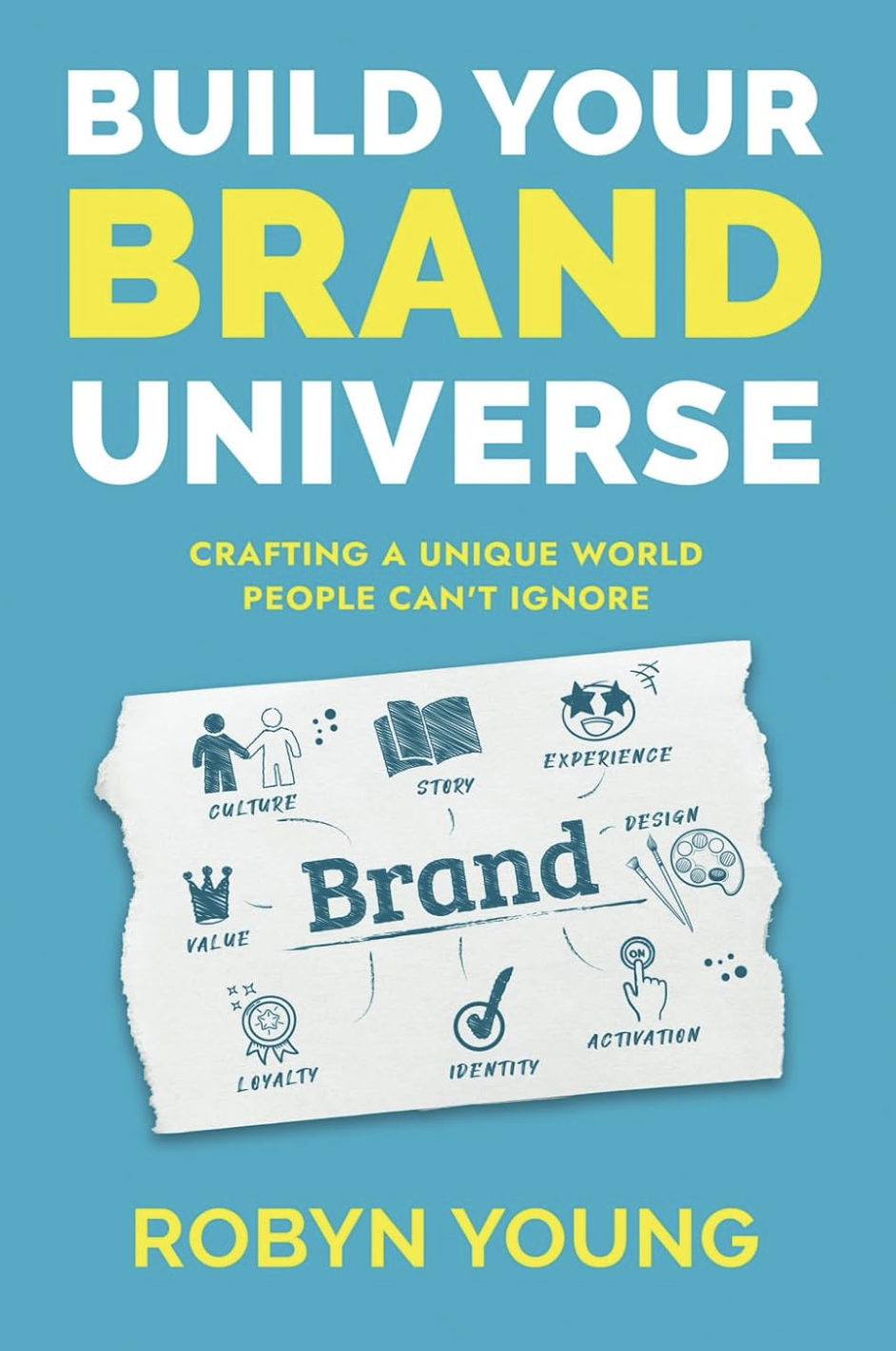
In my book, Build Your Brand Universe, I share what 10 years building brands at Young & Co. taught me: the most successful brands don’t just exist as a set of matching luggage with a consistent look and feel. They create moments— digital and physical— shaped around a defining identity. That identity is their center-of-gravity. Make it compelling enough, and you can build an entire ecosystem around it.
A Brand Universe® starts with a point of view that can translate across touchpoints. Your POV should act as both a filter and a lens for every decision you make, not just how things look. There needs to be a point to all of it, otherwise it’s just ‘vibes’. And vibes are easy to copy.
The Power of POV
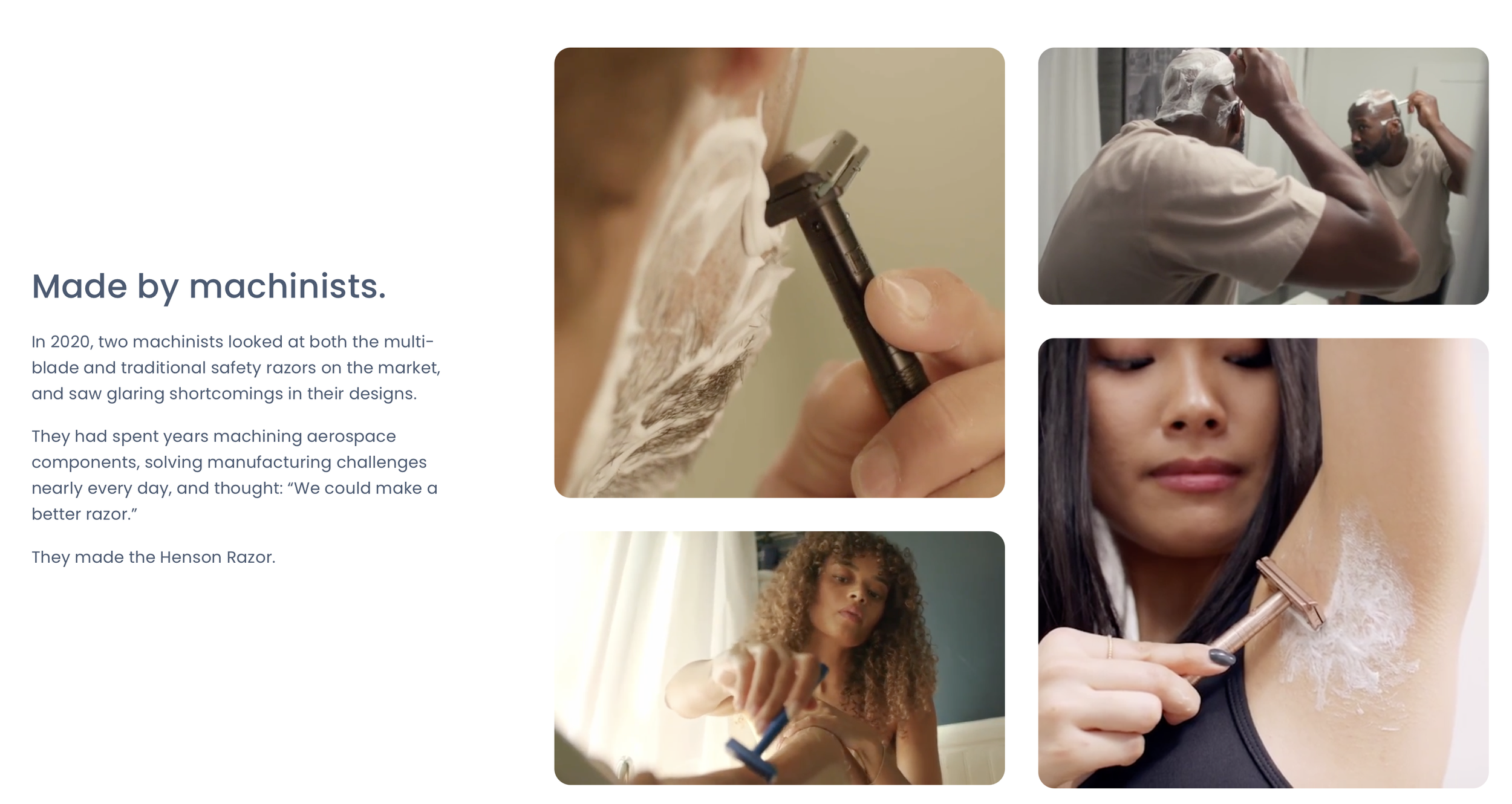
One of my favorite examples is Henson Shaving. They already had a top-rated razor, but the brand was scattered— completely focused on functional benefits, with no center of gravity. Every strong point of view has something it stands against. Through my Signature Brand POV process, we determined the ‘monster’ they were fighting was inside the shaving industry itself. Deceptive claims and so-called design innovations that never improved the shave, even as prices kept climbing. Henson would bring engineering integrity back to shaving, using radical transparency to cut through the marketing clutter.
That point of view shaped everything from voice to content for Henson. It gave cadence to how they should show up everywhere (marketing, product experience, partnerships) and why it was important. One of our sharpest expressions was a campaign we called "Gaslighting," which called out an industry that had convinced customers their nicks, cuts and razor burn were user error rather than bad design. Henson became the hero, a razor company actually focused on product innovation. The campaign worked. Two years later, Henson was named the fifth fastest-growing company in Canada by The Globe and Mail. We never touched their actual logo.
Your Brand Universe doesn’t need to be massive to draw loyalty. Some of the most memorable brands intentionally keep their worlds small, preserving a sense of customer intimacy and maintaining the magic that’s often lost as companies pursue endless scale.
Changing The Mood
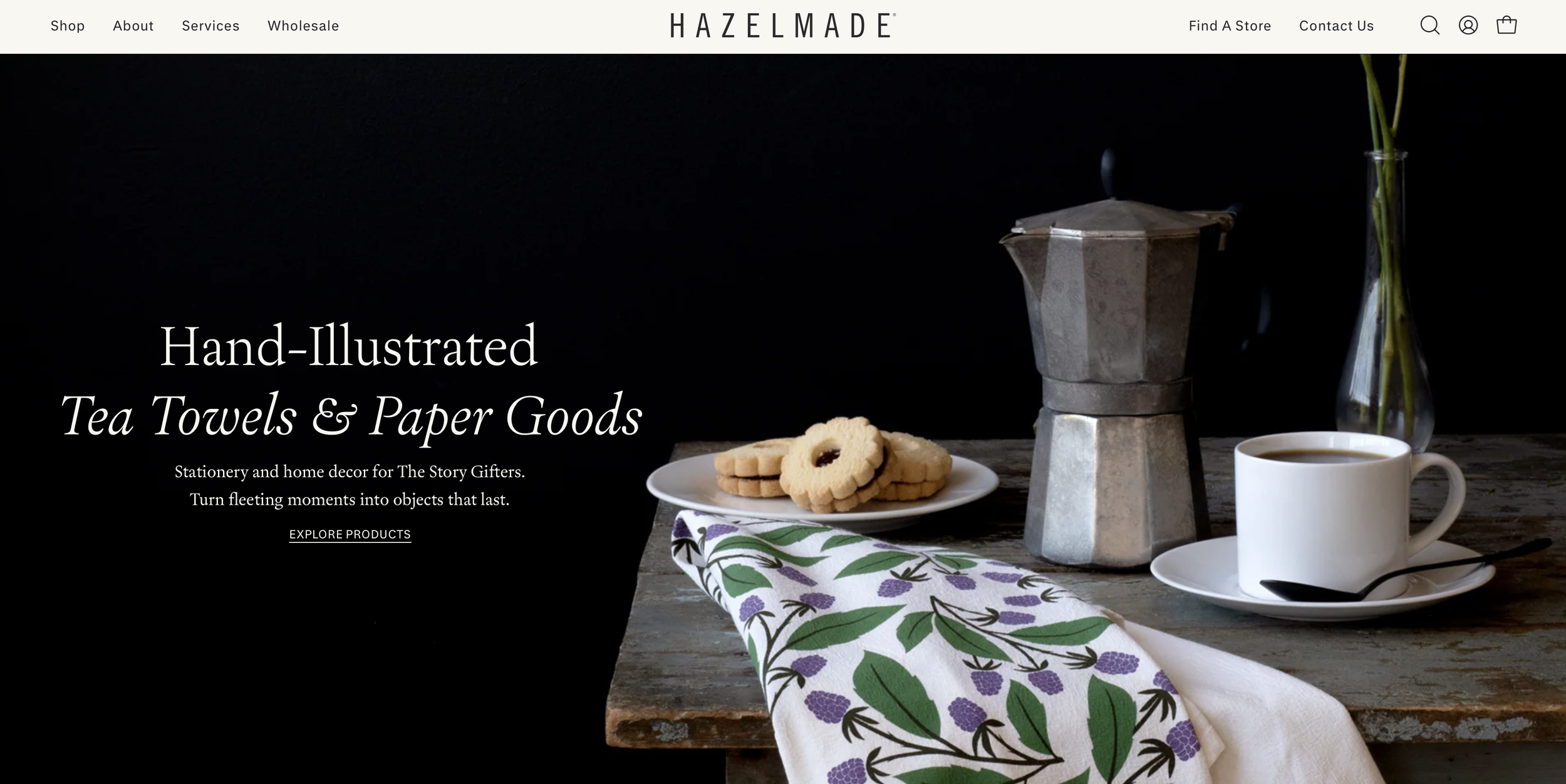
This year, we worked with Hazelmade, a small home goods studio in Kent, Ohio. The founder, Susan Hazel Rich, is an artist who turns everyday objects, tea towels, paper goods - into works of art. But after 11 years in business, the brand identity was buried under product-focused messaging, photography and content.
Hazelmade’s Brand POV started with an unexpected insight: her customers care more about the feeling behind an object than the object itself. It led us to the core belief: slower doesn't mean less, and making space for yourself (and others) is how life's most treasured moments are kept. From there, we rebuilt every touchpoint around slow burn moments, so customers could experience the brand, not just buy from it. That included lifestyle imagery and video to evoke the mood, a newsletter on Substack called Return Address, and a supper club event series that gives her ideal audience, the Story Gifters, a place to gather.
Brand building doesn't start with design. It starts with a point of view that becomes the center of gravity in your Brand Universe. More than differentiation, it gives your business soul - something customers stay connected to long after they've forgotten your visual identity. So the next time you think you just need a logo, ask what your point of view actually is, why it matters, and how you want people to feel. Then build a world around that.