The founder of CGC Global, the agency behind Hermès, Glossier and Summer Fridays, on what gets a brand noticed now.
Clare Goodwin left the Estée Lauder Companies in 2017 to start an agency built for a problem the industry hadn’t yet admitted it had. Nine years on, CGC Global represents Hermès Beauty, Glossier, Summer Fridays, Augustinus Bader, Westman Atelier, Diptyque and Ouai, with a team of around forty across London, New York and Los Angeles and a partner team in the Middle East. Her read on how attention works is worth having, whether or not you will ever hire an agency.
The Gap She Filled
The change she was watching had been underway for most of a decade. From around 2010, bloggers and creators had moved to the front of the conversation. “People were becoming their own brands and their own publishers,” she says, “and the traditional model - a press release, a pitch, a print feature - wasn’t built for that.”
At the same time a wave of niche beauty brands was taking share from the corporate houses: Augustinus Bader, Summer Fridays, Glossier, Westman Atelier, Saie. They were quick. They could catch a trend and ship product against it. And their founders spoke directly to customers, who answered back in public.
“Visibility stopped being something you secured through an editor alone,” Goodwin says. “You had to build it through experiences and events, collaborations and partnerships, and the people your audience already trusted.”
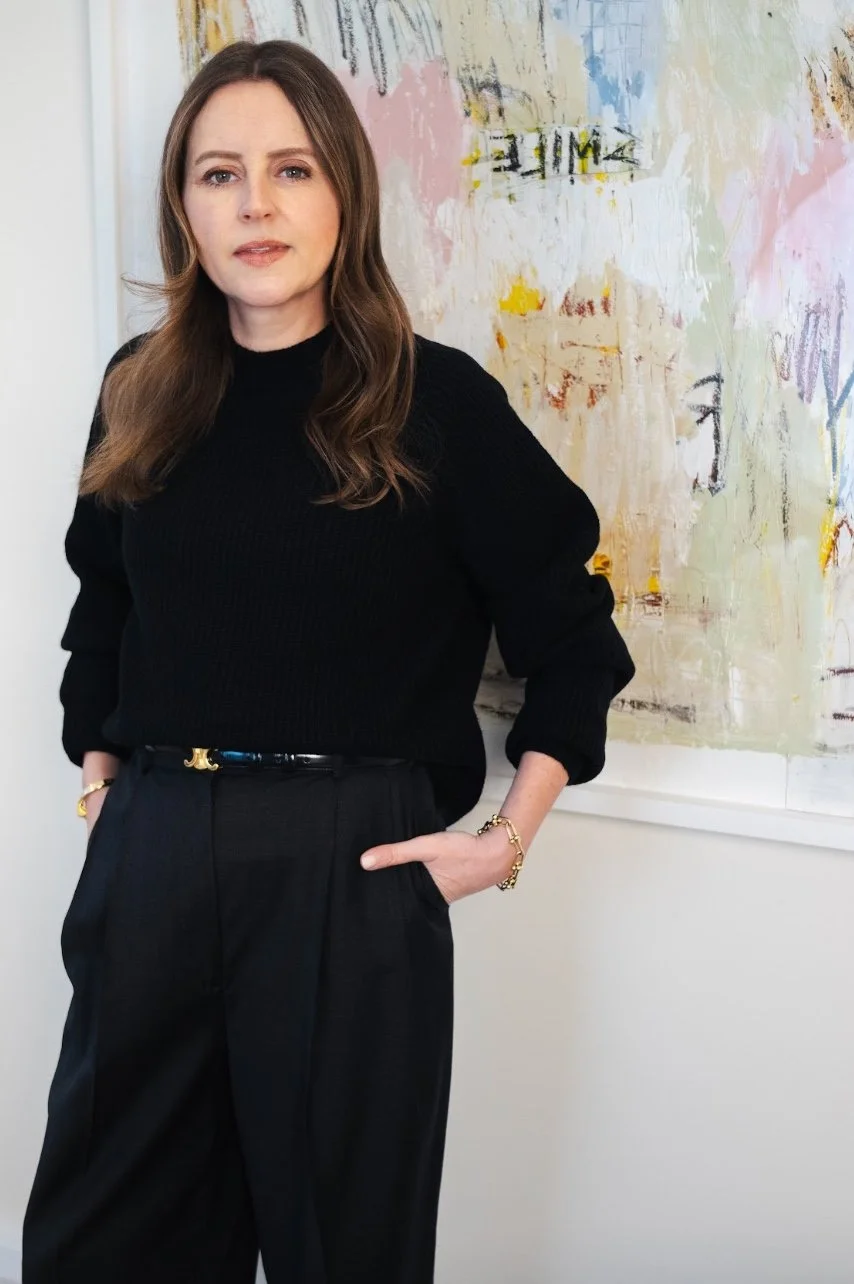
Pictured: Clare Goodwin, Founder of CGC

What a Launch Looks Like Now
When she started, a campaign meant a press release pitched over the phone or across a lunch table. “Print was king and online was an afterthought.”
Now a launch begins months ahead, seeding product to the creators and editors who genuinely fit the brand. It builds through an event people want to be part of, then continues with paid partnerships and always-on content long past launch day. “The press release still exists,” she says, “but it’s one very small part of the picture.”
What hasn’t changed is the need for a story. What has changed is the bar. “Good product is now table stakes but not the thing that sets you apart.” The brands that win, in her view, bring real innovation, catch a cultural moment, or build a world people want to step into. “You don’t just buy the product, you want to belong to the brand. That’s why pop-ups and merch are flying.”
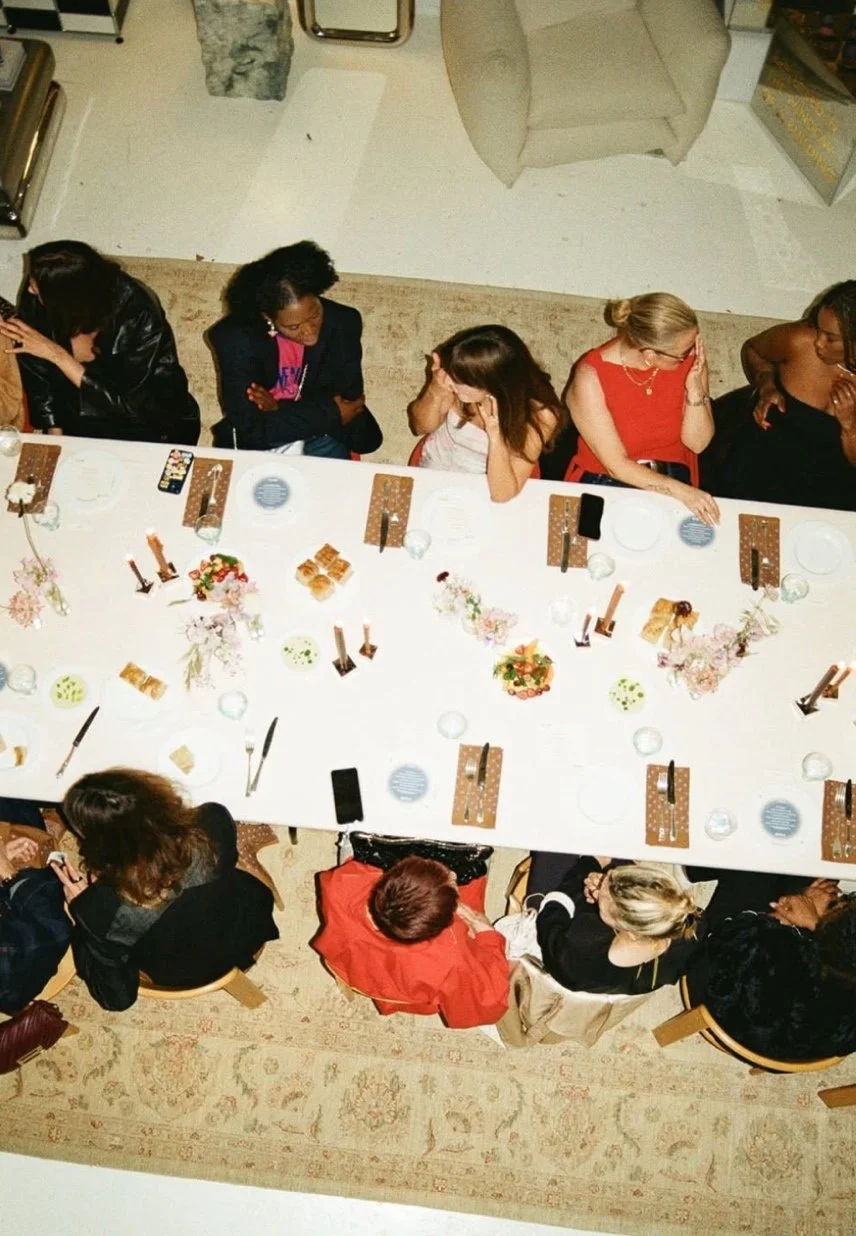
Saie’s launch into Sephora UK this autumn is the working example. CGC built a world around a single retail moment: street-style social filming, podcast appearances with founder Laney Crowell, an intimate dinner hosted by Jessica McCormack at her London townhouse for other female entrepreneurs, and the Saie Chip Shop , a pop-up that put a beauty brand inside a great British institution. The Chip Shop alone generated 237 posts and more than 756,000 impressions.

The Ninety Percent She Turns Down
“We say no to around 90% of what comes our way, and I believe that’s been the making of us as an agency.”
Three things earn a yes. The first is a clear point of difference, which she defines generously: “you can do the same thing as someone else, as long as you do it better.” The second is the founder, because the connection between a founder and her customers is what makes people feel part of a brand rather than just customers of it. The third is the product, which has to be excellent, buyers are savvy and have endless choice, so there’s no room for anything below par.
What gets a no is a brand that can’t say why it exists, or a product that is fine but forgettable. She is blunt about celebrity launches too: “a famous name might get you a launch, but it won’t keep people coming back.”
What To Have In Place Before You Call An Agency
Most brands aren’t ready for an agency on day one, and Goodwin is specific about the groundwork.
Know your story and be able to tell it simply. “If you can’t explain in a sentence why your brand exists and why it’s different, no agency can do that for you.”
Get the product right before anything else. You only get one first impression.
Show up yourself. The early days are when a real relationship with customers gets built, talking to them, listening, and letting them see who is behind the brand. That first loyal community, she says, is the most valuable thing a founder can bring to an agency.
And plan to invest. “The market today is pay to play. Relationships can take you so far, but to grow you need budget for seeding, events and partnerships.” It is the least comfortable item on the list and she does not soften it.
Where Founders Get Their Own Story Wrong
This is the part most relevant to anyone telling their own story, which is most founders, for years.
The most common error is telling the story you want to tell rather than the one the customer needs to hear. A founder lives with every detail, the years of formulation, the factory that failed, the moment it came together. “It all matters to them, but the customer wants to know one thing first: why should I care?”
The second is saying everything at once. “The best brand stories are simple. One clear idea, told consistently, will always cut through further than ten good ones.”
The third is letting the story stand still. “The story you launch with shouldn’t be the story you’re telling five years later.” The strongest founders let it grow while keeping hold of why they started.
She adds one more, unprompted: spend less time watching competitors and more time understanding what makes your own brand particular. “You can’t build something distinctive by constantly looking over your shoulder.”
Community Y
ou Can’t Fake
The brands that build real community before they have scale share three traits, she says: a visible and accessible founder, a genuine willingness to let customers shape what comes next, and consistency in how the brand looks, sounds and behaves.
Summer Fridays had it from day one. Marianna Hewitt and Lauren Ireland had built an audience that trusted them long before there was a product. “They didn’t have to find their customers. Their customers were already waiting.”
Can you set out to build that deliberately? You can create the conditions, show up, listen, stay consistent, give people a reason to belong. But you cannot manufacture it. “Consumers can tell immediately when a community is being performed rather than built, and they’ll walk away.”
Hiring For Taste
Hiring is the hardest and most rewarding part of the job, and what she looks for has shifted. She still wants passion, a creative mind and an eye for detail. But two things now come first.
Taste. “Anyone can learn to write a press release or brief a creator, and AI can now do some of that for them. An instinct for what’s right for a brand, what to put forward and what to leave out, is much harder to teach.”
And care for the work, and for the people doing it alongside you. “Our people’s wellbeing and growth are how we succeed, so we invest in them the way we ask our clients to invest in their brands.”
From Being Seen to Being Recommended
More people now discover brands by asking an AI assistant than by scrolling or searching, which Goodwin frames as a change in the question itself: “from how do we get seen, to how do we get recommended.” Brands have to show up credibly everywhere those answers are drawn from - press, creators, reviews, their own content. CGC recently launched a Performance arm covering affiliate and generative engine optimization in response.
Her counterintuitive conclusion is that the more AI can do, the more taste matters. “AI can produce a thousand campaign ideas and most of them will look the same. What it can’t do is know which idea is right for a brand, which creator fits, or when to say no.”
The other shift she’s watching is the merge between beauty and wellness, as customers stop separating how they look from how they feel - sleep, skin, longevity, the mind. “The brands that understand that will lead the next decade.”
She also runs The Collective, CGC’s UK talent agency, on the same principle as the brand side: selective, long-term, matched on genuine fit rather than the largest check. “When the fit is right, the audience can feel it, and that’s when the work really lands.”
One thing won’t change, she says. No matter where attention moves next, it lands on a good story and a brand people believe in.
“Being noticed has never been about being the loudest. It’s about being worth talking about.”