Two former global development colleagues grow their own dahlias in Virginia and ship seasonal, single-variety stems in 100% recycled packaging.
Tayler Hobba and Elizabeth Brown met in Washington, D.C., more than a decade ago, both working in global development and human rights. Their days were spent looking at some of the heaviest realities in the world, and they carried that weight home with them.
What made them friends was how they handled it. Both balanced the heavy with hope and care by making something beautiful. They threw dinner parties, hosted concerts in their living rooms, and spent weekends in museums and gardens chasing light.
“Those rituals weren’t an escape from the hard things. They were what kept us whole enough to keep showing up for them.”
After business school, they kept returning to one question: what if that feeling could be accessible to more people? Flowers kept coming up as the answer, one of the simplest ways to bring beauty into a home and slow down long enough to notice it.
The Company They Wished Existed
Floral Post began as a frustration. Hobba and Brown loved giving and receiving flowers, but the mail-order versions rarely matched the care they wanted for the person on the other end. There was too much plastic, blooms crushed in transit, and arrangements that missed an elevated, modern aesthetic. Nobody could tell them where the flowers came from or who grew them.
What they wanted was the feeling of a farmers market, buying stems straight from the person who grew them. Simple arrangements of high-quality blooms, equally at home in an art museum or a modern farmhouse.
Their careers in human rights and supply chains made them look harder at the industry itself. Most flowers sold in the U.S. travel thousands of miles to reach a vase, with little transparency and a great deal of waste. Once they saw it, they couldn't unsee it. No company offered beauty, sustainability, and honesty about origin together, so they built one.
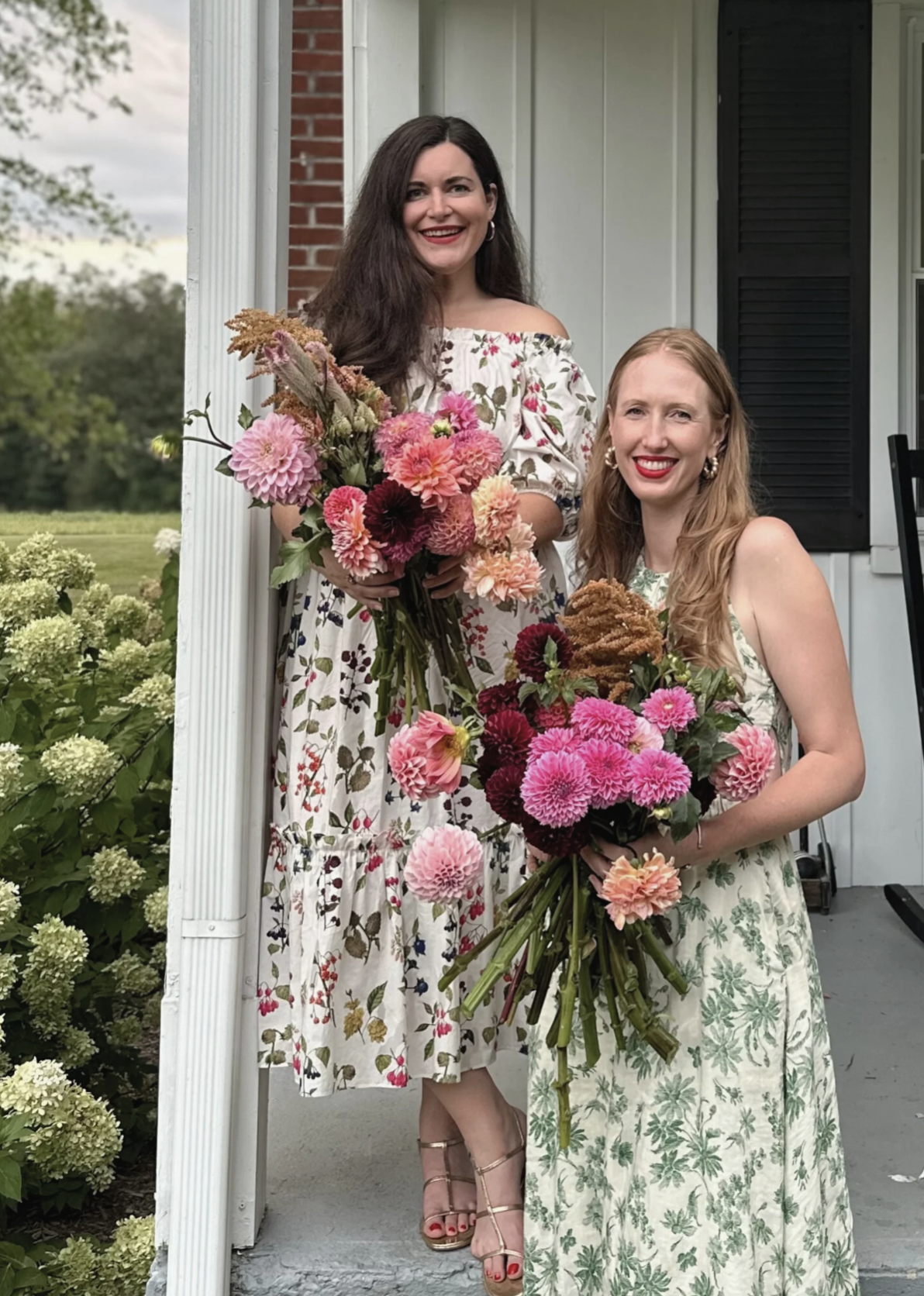
Pictured on left: Floral Post founders Tayler Hobba, and Elizabeth Brown.
Ready to expand your brand and creativity through its Own Magazine? We’ll help bring it to life.
Grown By Women, Traced To The Farm
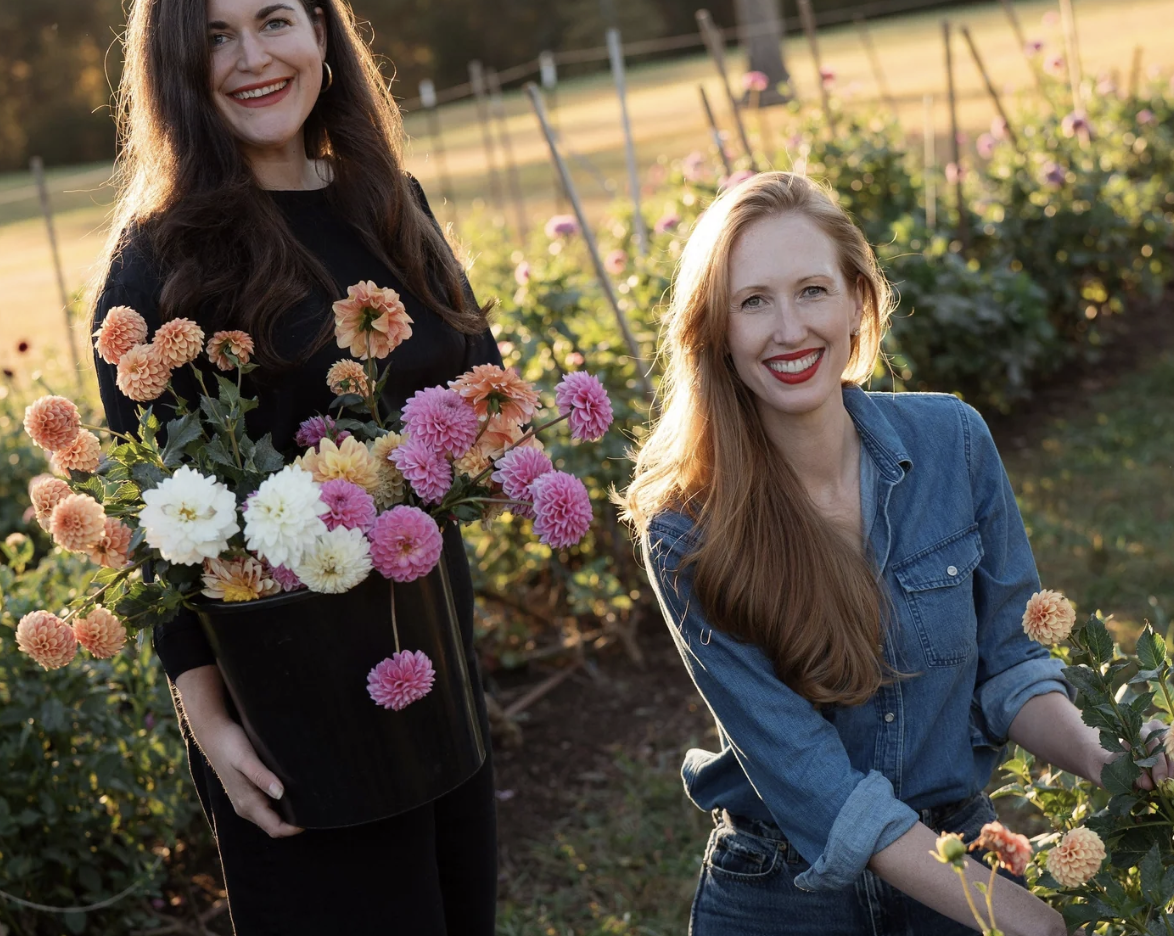
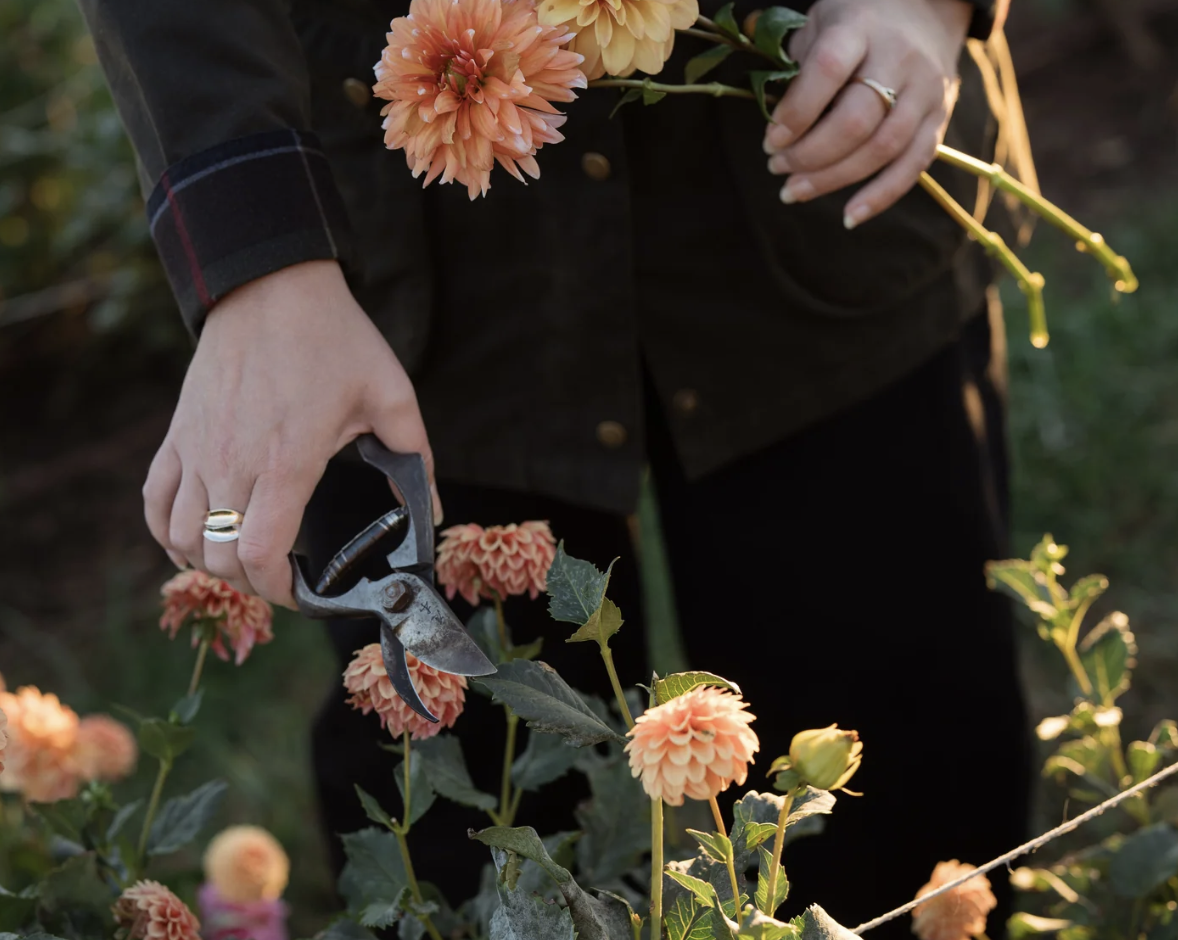
The company's dahlia season started with a few hundred tubers on a small farm outside Charlottesville, in Virginia wine country. It has grown into rows of blooms the founders still plant, tend, and harvest by hand. Growing their own taught them how much patience and craft go into every stem, and it deepened their respect for the farmers they work with.
The rest of the year, they source from women-owned and women-supporting farms. Hobba and Brown say a farm has to meet three standards. It creates economic opportunity for women. It grows with integrity and cares for its land and people. And its flowers must be extraordinary, with a sculptural, architectural quality that lets someone build a modern arrangement without filler.
The Hard Part Is The Honest Part
Transparency, the founders say, costs more and takes longer. Buying from a wholesaler without asking questions would be far easier. Instead, they work directly with growers they know, building relationships one farm at a time and sometimes saying no to flowers that are beautiful but don't meet their standards.
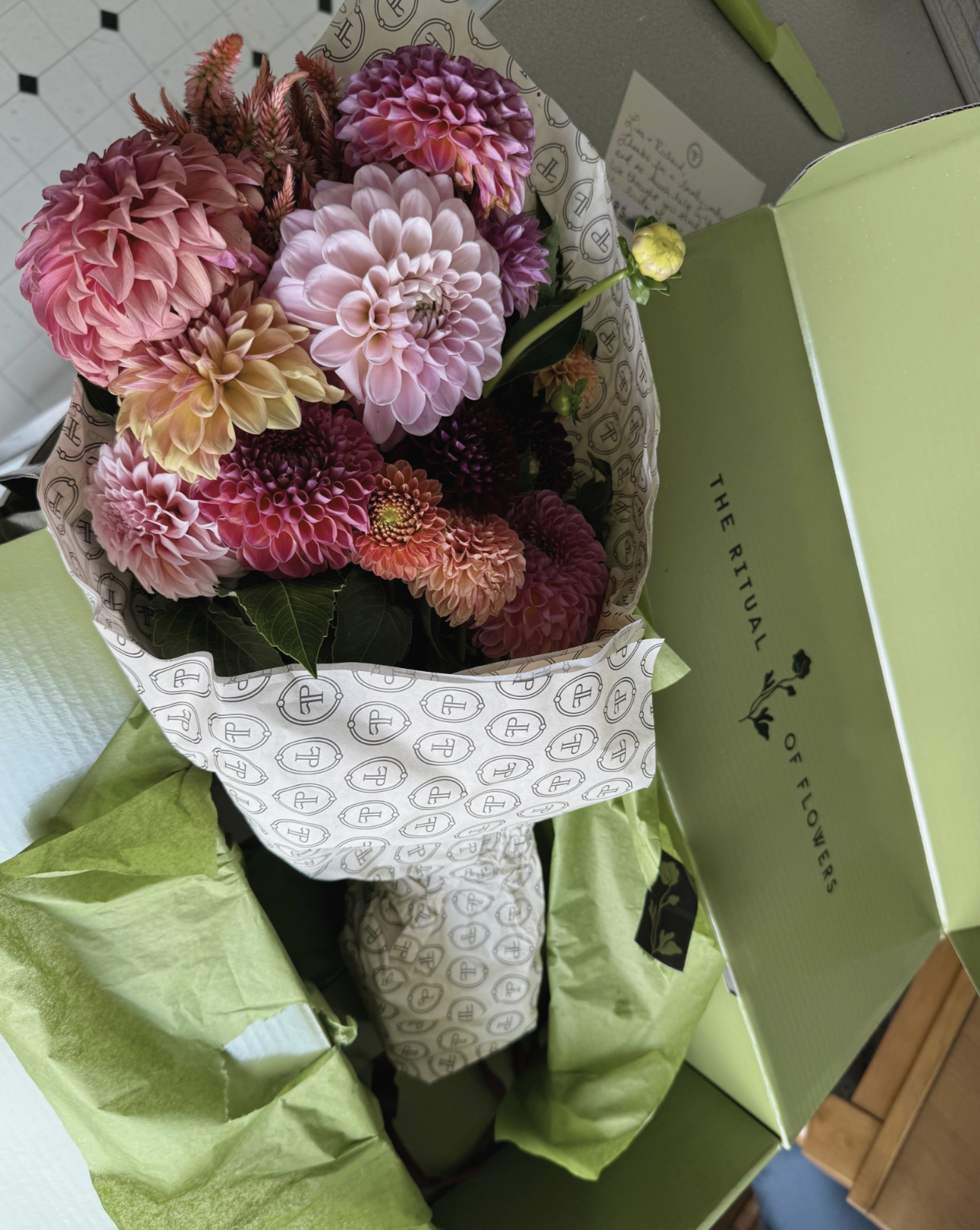
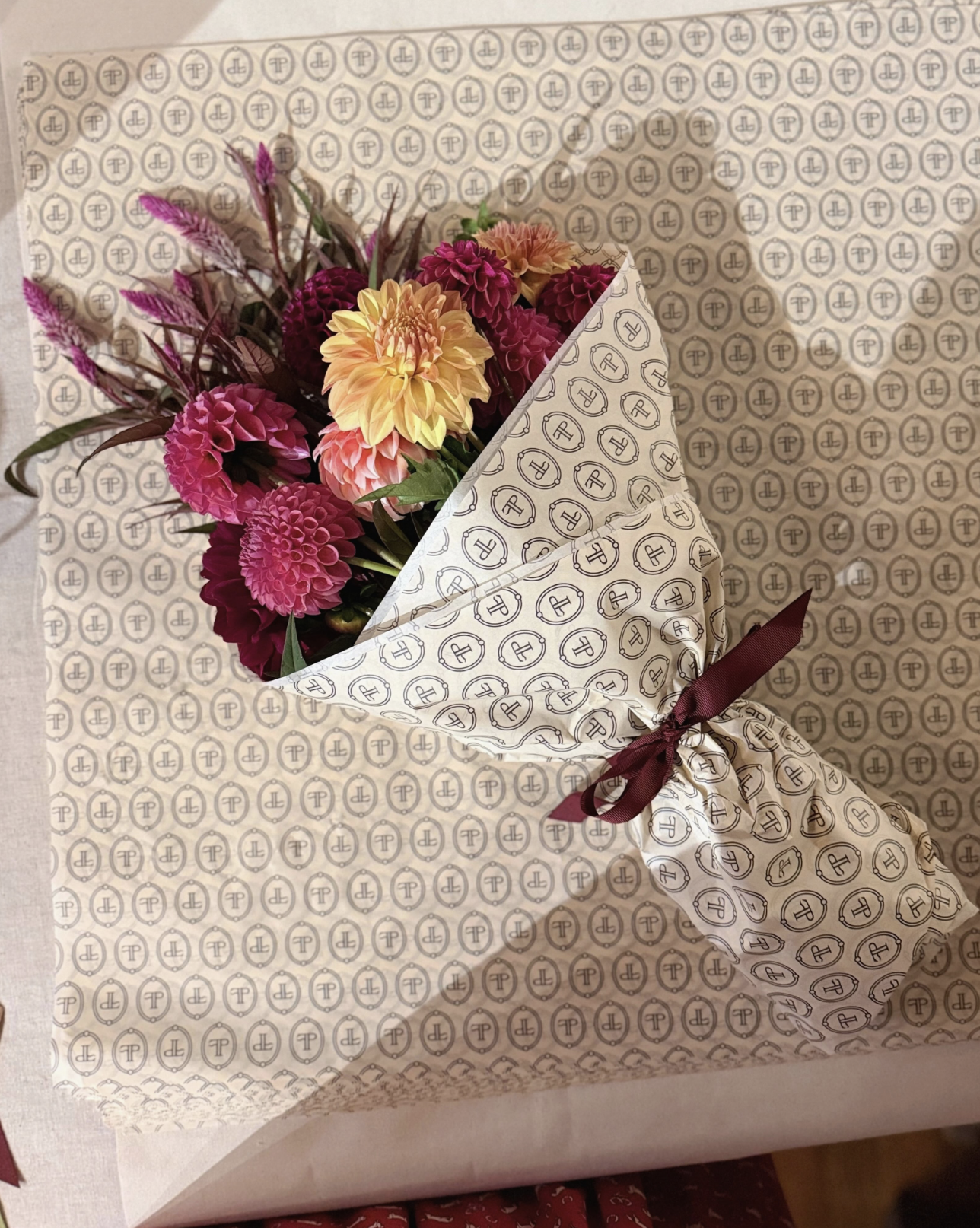
Shipping was the other challenge. They wanted to eliminate the plastic and waste they had always disliked, but flowers are fragile and must arrive fresh after an overnight journey. Designing packaging that protects the blooms, uses sustainable materials, and still feels like a luxury unboxing took many rounds of iteration. The result is packaging made of 100% recycled materials, down to the grosgrain ribbon.
The Ritual Of Flowers
Floral Post calls what it sells "the ritual of flowers," and for the founders it's the moment of slowing down: unboxing the stems, trimming them, choosing a vessel, deciding where they'll live in the house.
"Those ten minutes are a deep breath in a busy, very digital day."
Each box contains single-variety, seasonal stems with no filler, so arranging them is simple. Whether someone orders for herself or sends a box as a gift, the founders hope it makes an ordinary week feel more celebratory and grounded, and connects the recipient to the season and the women who grew the flowers.
What's Blooming Now
Floral Post follows the seasons, so every box is a little different. The company is entering calla lily season, in autumnal shades of deep burgundy, eggplant, and rusty orange. Peony season runs from Thanksgiving through New Year's, which the founders describe as softball-sized, bright red peonies on a holiday table.
A Classic Box includes 10 to 15 premium stems and ships overnight nationwide, as a single delivery or a subscription. Subscribers can choose weekly, biweekly, or monthly deliveries and can pause or skip at any time.
Where To Find Floral Post
Readers who join the email list at floralpost.com get 15% off their first order. Follow along on Instagram and TikTok at @floralpostco.