How Erica Groussman Built TRUBAR Into a $173M Brand Without Losing Its Identity
Inside the mindset, decisions, and resilience behind one of the fastest-growing snack brands. + Our exclusive interview with the founder.
From the outside, TRUBAR’s trajectory looks like the kind of founder story people try to replicate. A fast-growing brand. A strong point of view. Nearly $100 million in revenue. And now, a $173 million acquisition by global snack company ETi Gıda.
But like most things that scale quickly, what you see on the surface rarely tells the full story. Behind the growth is something less visible, and far more defining: resilience.
Built Differently From the Start
TRUBAR didn’t enter the market trying to blend in. It was created to stand out.
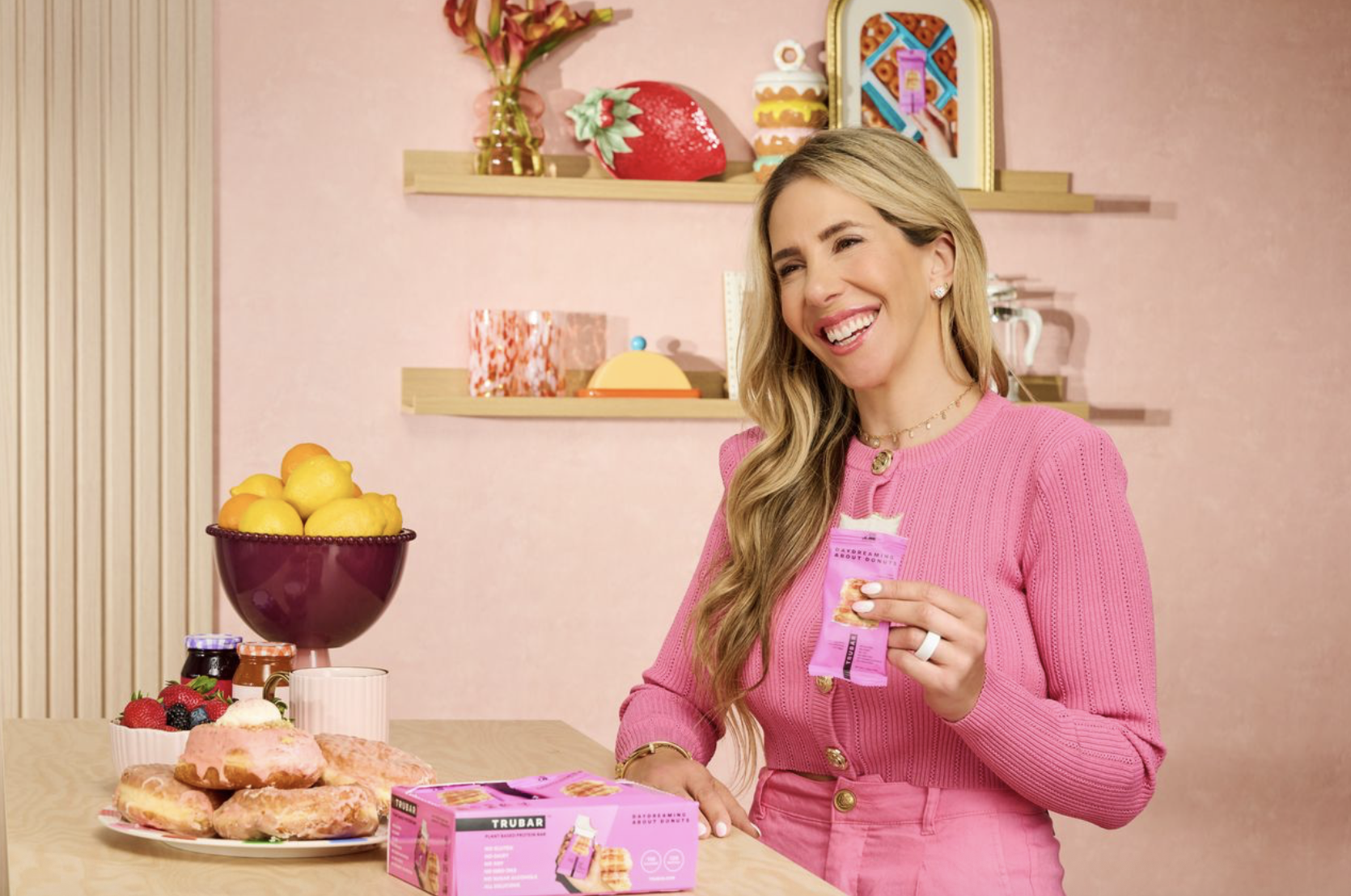
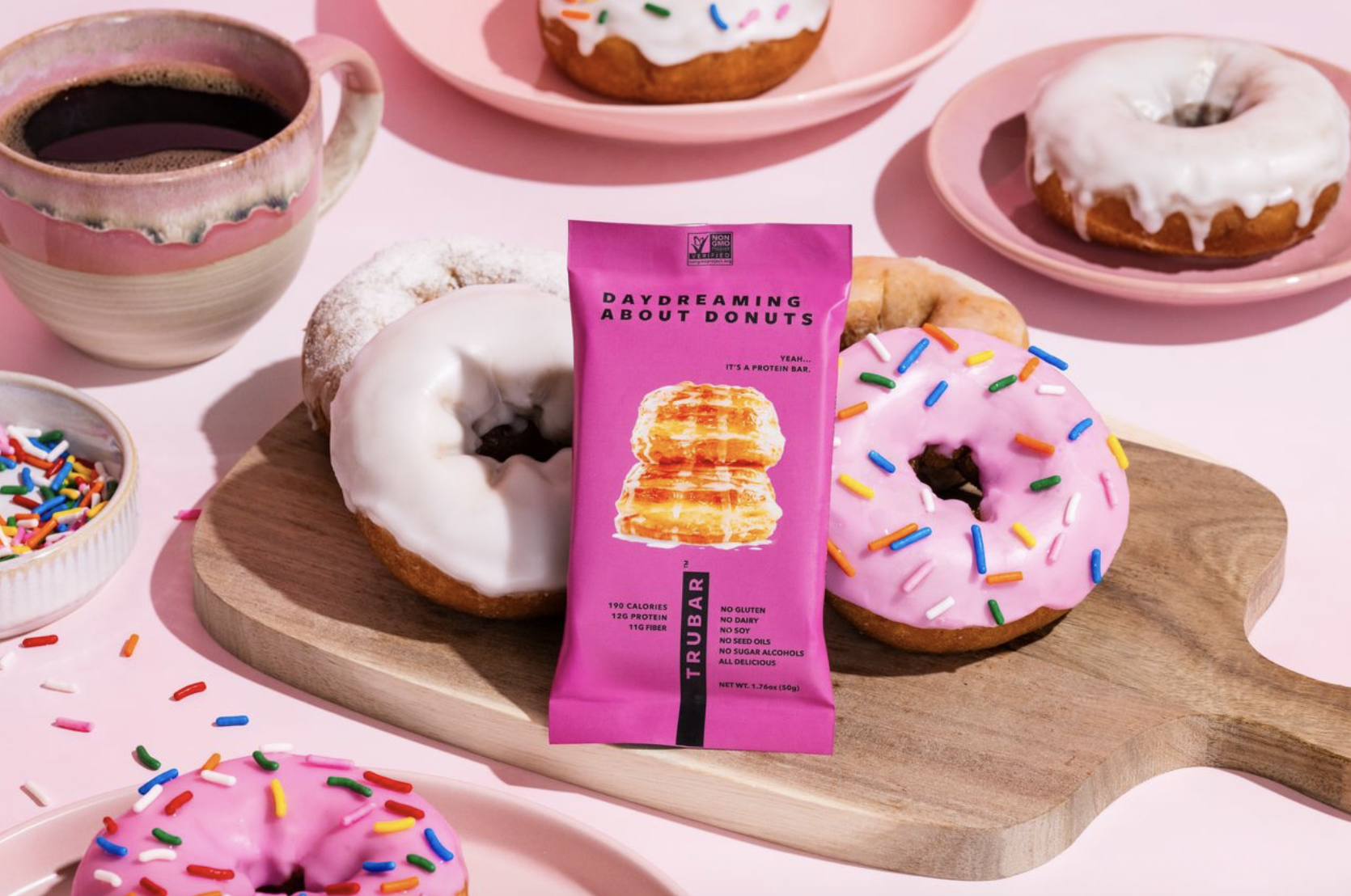
At a time when the protein bar category leaned heavily into function over experience, TRUBAR positioned itself differently, offering indulgent, dessert-inspired flavors made with clean, thoughtful ingredients. The goal wasn’t just to create a “better-for-you” snack. It was to create something people actually wanted.
That balance, between indulgence and intention, became the foundation of the brand.
And it’s also what made it scalable.
What Happens When Growth Gets Real
In the early days, building a brand often looks like doing everything yourself. Every decision, every detail, every moving piece. But growth has a way of forcing evolution.
As TRUBAR gained traction and expanded into more than 21,000 retail locations, the demands of the business shifted. It was no longer about proving the concept. It was about sustaining it, scaling it, and making decisions quickly, often without perfect information.
That kind of growth requires a different version of a founder.
One that knows when to let go, when to trust a team, and when to move forward even without full clarity.
And perhaps most importantly, one that believes they belong in the rooms they’ve worked their way into.
The Pressure Behind Momentum
There’s a moment in every growing company where things start to work, and that’s when the pressure really begins. Big inventory decisions. Strategic partnerships. Moves that carry real weight.
These are the moments that don’t always get talked about, but they’re often the ones that shape a founder the most.
For TRUBAR and founder, Erica Groussman, navigating those decisions became part of the foundation the company was built on. Not because every decision was perfect, but because each one added to the kind of experience and confidence that can’t be learned any other way.
Resilience, in this context, isn’t about pushing through blindly. It’s about learning in real time, adjusting quickly, and continuing to move forward with intention.
A Defining Next Chapter
In February 2026, TRUBAR announced its acquisition by ETi Gıda for $173 million, marking a significant milestone in the brand’s evolution.
But what makes this moment different is how it’s being approached. Rather than signaling a shift away from what TRUBAR has been, the acquisition is positioned as an opportunity to deepen it. With ETi Gıda’s global infrastructure, manufacturing capabilities, and decades of expertise, the brand is now equipped to expand internationally while continuing to grow its presence across North America.
And notably, the founder and leadership team remain in place. Because this next phase isn’t about replacing what worked.It’s about scaling it, with the right support behind it.
Holding Onto What Matters
For many founders, acquisition brings up questions around control, identity, and direction. But the way this transition has been approached reflects a different perspective. One where growth doesn’t require compromise, but clarity. Where the role of the founder evolves, not disappears. And where the focus becomes less about holding onto everything, and more about being intentional with where you show up and where you create the most impact.
At its core, TRUBAR’s identity hasn’t changed. The brand remains rooted in indulgent nutrition, a playful voice, and a mission that feels both modern and inclusive. The difference now is scale.
What This Story Really Represents
For founders watching from the outside, it’s easy to focus on the headline numbers. The revenue. The acquisition. The milestones. But the real value in a story like this is everything behind it.
The early uncertainty, and the decisions made without guarantees. The moments of pressure that required stepping into a new level of leadership. And the ability to stay grounded in what matters, even as everything grows.
Resilience, when it’s done well, doesn’t look like constant motion. It looks like clarity, like trust. And the willingness to keep building, even when the path isn’t fully defined.
Where It Goes From Here
If anything, this milestone marks the beginning of a new chapter. One where TRUBAR has the resources to expand globally, innovate faster, and reach a broader audience, without losing the identity that made it successful in the first place.
For Erica Groussman, its founder, success now carries a slightly different meaning. Not just in terms of growth, but in how that growth is experienced. Building something meaningful is one thing, building it in a way that allows you to actually enjoy it is something else entirely.
Q & A With TRUBAR Founder, Erica Groussman
When the acquisition officially closed, what did that moment feel like for you personally, not as a CEO, but as the woman who started TRUBAR from scratch?
It was surreal in the quietest way. Not this big, loud, confetti moment people might expect. It was more like… a deep exhale. I thought about the version of me packing bars in my kitchen, carrying samples in my bag everywhere I went, hoping someone would take a chance on this idea. There were so many moments along the way where it felt uncertain, where I was figuring things out in real time. So when it finally closed, it wasn’t just about the milestone. It was this overwhelming sense of gratitude—for the risk I took on myself, for the people who believed in me, and for the fact that something I built had become real in a way I once only imagined.
You’ve shared that joining ETi allows TRUBAR to “double down” on who it already is. What were the non-negotiables for you in this deal - the values or elements of the brand you refused to compromise?
From day one, TRUBAR has been about indulgent nutrition—creating something that feels like a treat but is made with clean, thoughtful ingredients. That balance was never up for negotiation. The other big piece was the brand voice and identity. TRUBAR is playful, a little irreverent, and built to stand out in a category that can take itself too seriously. I wasn’t willing to water that down. And then there’s the bigger mission—what we stand for as a brand, especially when it comes to empowering women and building something that feels modern, inclusive, and real. I needed to know that any partner would not only respect that, but help us amplify it. ETi understood that TRUBAR works because of what makes it different, not in spite of it.
TRUBAR grew from a mission-driven idea into a nearly $100M brand in just a few years. As the business scaled rapidly, how did you personally evolve? What had to change within you to lead at that level?
In the beginning, I was doing everything. And I mean everything. There’s a certain scrappiness that serves you early on, but it doesn’t scale. The biggest shift for me was learning to let go. Not of the vision, but of the need to control every detail. I had to build a team I trusted and actually trust them. I also had to get comfortable making decisions with incomplete information. When you’re scaling quickly, there’s no perfect moment where everything feels figured out. You move forward, you adjust, and you keep going. And honestly, I had to grow into believing I belonged in those rooms. That was probably the biggest internal shift.
Many founders fear losing control after an acquisition. How did you think about identity during this transition, staying the visionary while entering a new global chapter?
I didn’t look at it as losing control. I looked at it as expanding the playing field. My role is still to protect the vision and push the brand forward. That doesn’t change. What changes is the scale at which we can do it. If anything, I had to get clearer on what only I can do. Where I bring the most value. And then lean into that, while allowing other people to bring their expertise to the table. It’s less about holding on tightly, and more about being really intentional with where you show up.
Looking back, what season of doubt, pressure, or decision most shaped your confidence as a leader?
There wasn’t just one moment. It was a series of them. But I think the most defining season was when we started to gain real traction. That’s when the pressure shifts. It’s no longer just about proving the concept—it’s about sustaining it, scaling it, and making the right decisions quickly. There were moments where the stakes felt very real. Big inventory bets, big partnerships, moments where a wrong move could have set us back significantly. Navigating those decisions—and seeing them work out, or learning from them when they didn’t—built a level of confidence you can’t really shortcut.
Now that this milestone is behind you, what does success look like in this next chapter, for the business and for you personally?
For the business, it’s about continuing to build a brand that people genuinely love. Expanding thoughtfully, innovating in ways that feel true to us, and continuing to raise the bar for what this category can be. For me personally, success looks a little different than it did in the early days. Of course I still care deeply about growth and building something meaningful. But I also care about how I’m building it. Creating a team and a culture I’m proud of. Having the space to actually enjoy what we’ve created. And continuing to push myself. Because as much as this milestone means something, it also feels like the beginning of a much bigger chapter.
Follow Us @Bloomzineco