

You Don’t Need to Quit Your Job to Start a Business and These Women Prove It
These founders didn’t wait for permission or a payout they started where they were.
The rise and grind narrative is tired, and the leap without a safety net isn’t for everyone, especially when rent (or a mortgage) is due on the first. But the idea that you can’t build a business while still working a 9 to 5? False. In fact, plenty of women are proof that launching smart doesn’t always mean quitting your job cold turkey. From spreadsheets by day to side hustle spreadsheets by night, they’ve built brands, communities, and revenue streams without sacrificing stability. We spoke to three successful entrepreneurs on juggling both, what actually works, and whether certain businesses scale better than others.
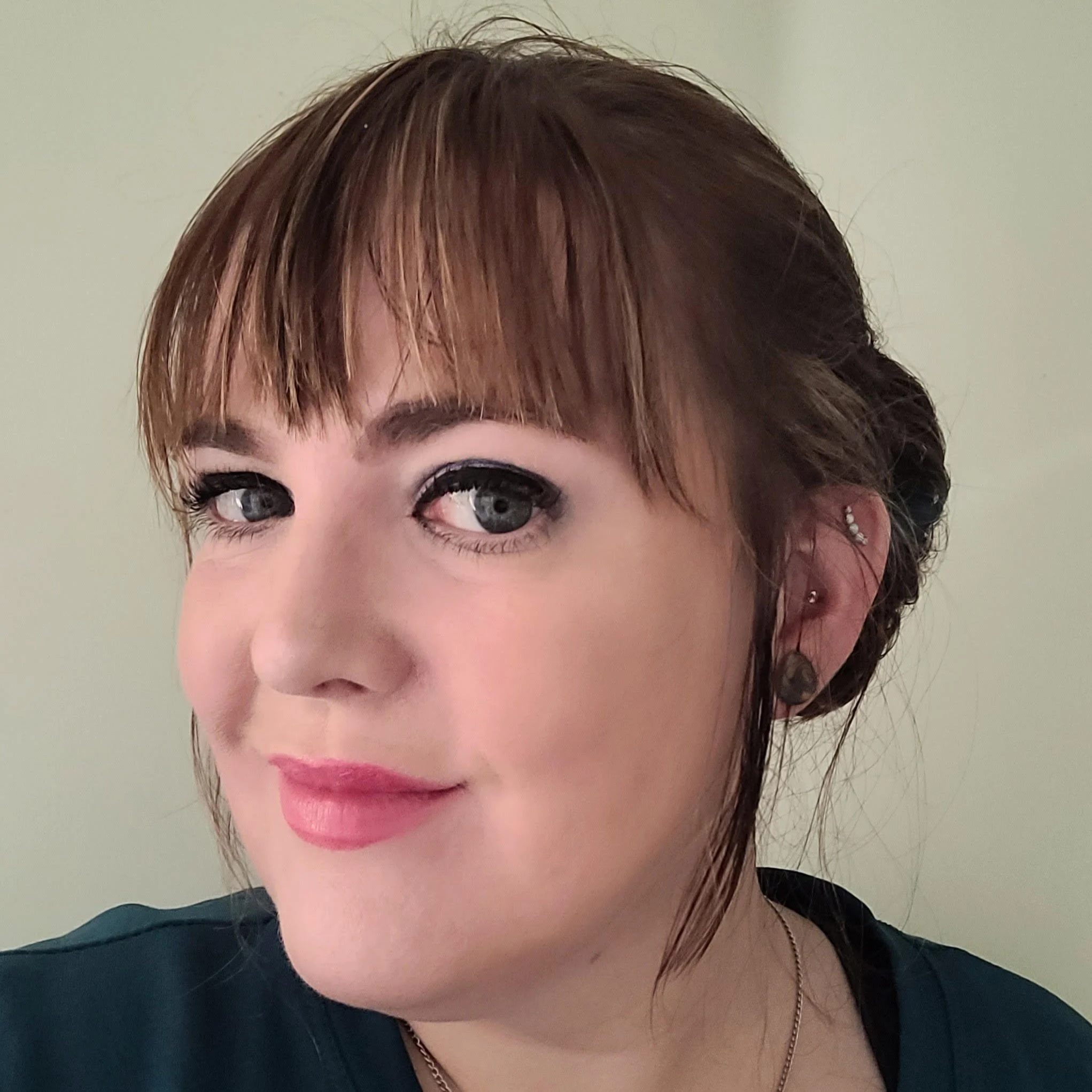
Kate Ingham-Smith, Founder of Keep It Simple Copywriting
What is Keep It Simple Copywriting?
Copywriting and content writing for businesses worldwide.
How did you carve out time for your business without burning out from your 9 to 5?
I'll be honest - it was hard in the early days. I'd go to work, take calls and hold meetings in my car on my lunch break, come back home and work on my business until 11pm at night. - working weekends too. I did this for about eighteen months before I quit my job and in hindsight, I'm surprised I held it together for so long.
One of the earliest things I did to prevent burnout was to put together a portfolio of work to show my expertise, taking on different types of projects (articles, landing pages, email sequences etc) to demonstrate what I could do. This showcased my experience, meaning I was in a position to charge higher rates.
This meant I didn't have to work as much to earn what I needed to, taking the pressure off and meaning I didn't give up.
What resources, tools, or communities made the biggest difference in your early stage growth?
Community-wise, I'd say LinkedIn. There are lots of wonderful women in copywriting there, many of who were in the same position as me. We'd help each other out, recommend each other to prospective customers, and cheer each other on when we were flagging. You'd think things would be ultra-competitive and we'd be fighting each other for work, but that wasn't true (and isn't true) at all.
Tool-wise, I'd say Trello. I am admittedly not the most organized person and initially I found it hard to keep up to date with project deadlines, especially when I was working a 9 to 5 job. I set up a simple list for each day, specifying what needed to be done and who for. Plus, you got the satisfaction of archiving cards when the work was done!
I also used platforms like Fiverr, PeoplePerHour, and Upwork a lot. I don't use them now, but when I was building my business they were great as I could bid for jobs, go to work, and come back home to a list of tasks to do. Plus as everything was in escrow, I didn't have to worry about chasing invoices.
If you could go back and do one thing differently, what would it be and why?
I'd say no a lot more. When you're starting out you tend to fall into a 'feast or famine' mindset, so you accept jobs that aren't right for you just because you're worried other opportunities won't come around and you won't be able to build your business as quickly. This meant I carried out work that was well below my recommended rates, or for businesses that weren't the right fit for me.
I'd also say no to clients who were rude or demanding. Again, there's this mindset, especially when you're a woman, that you need to be nice and accommodate people's demands so that they want to work with you again. However, it's important to be assertive and mindful of your own well-being. I feel I've become more confident in myself since I've built my business - you learn a lot that you wouldn't learn in a 9 to 5 job.

Daniela Vitali, Founder of The Acorns Project
What is The Acorns Project?
The Acorns Project™ is a line of inspirational gifts featuring the symbolism and mystique of the Acorn: Hope, Prosperity, Growth, Strength and New Beginnings. Inspired from a dream I had during a difficult financial period my family and I went through years ago, you can read about my story and inspiration at theacornsproject.com.
How did you carve out time for your business without burning out from your 9 to 5?
Working from home helps me on how I allocate my time to get things done. Also, as a PR Consultant, I was flexible with how I carved out time. Last year, I decided to continue working with just one client part-time, which allowed me the freedom and more time to focus and allocate toward creating The Acorns Project™ and getting it ready for its official launch in January of this year. I set out weekly goals to achieve for the business. Setting these weekly markers helped me organize my days and minimized the overwhelmingness of launching something new. The weekly goals also helped me put together a reasonable work schedule that allowed for a more balanced work, personal and family life in a way that was not stressful. I would allocate some times on weekends, as well as work on the design aspect of my brand after hours or early mornings.
What resources, tools, or communities made the biggest difference in your early stage growth?
We are a very new brand that is only 6 months old, but one of the communities I have used for outreach and business connections is LinkedIN. I’m still connecting with new contacts on a weekly basis, I also set up The Acorns Project business page on LInkedIN posting updates and stories and connecting with new followers for the business. I also use Substack which is a wonderful way to connect with freelance writers who have their own newsletters and who post earned media stories they’re working on. It is a great way to start to build relationships for small businesses on the PR side of business. Also, it allows you to see what types of stories are being written so it can help you develop the angles you would need to pitch your business.
If you could go back and do one thing differently, what would it be and why?
Since we just launched in January, it is hard to reflect on what I would do differently with my current project, however, since this is my third endeavor, [from having launched a high-end stationery brand in my 30’s to PR Consulting for start-ups in my 40’s] I can say one of the biggest lessons I’ve learned from my past experience is to not put so much pressure on yourself and if possible, to not put time restraints, meaning if a deadline is not met for reasons out of your control, then pivot and figure out a different remedy and remind yourself, baby steps. And remember to celebrate All the moments, not just the big wins.
Where To Follow Daniela and The Acorns Project:
Website: The Acorns Project
Instagram: @the_acorns_project
LinkedIn: The Acorns Project
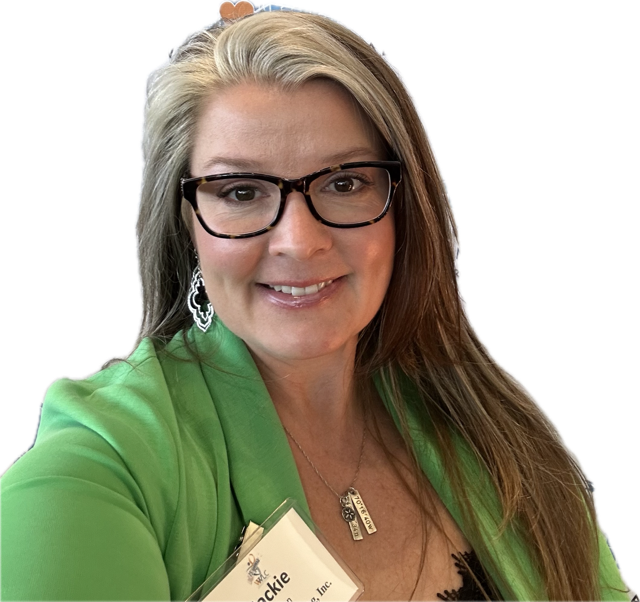
Jackie Faron, Founder of JFaron Agency, LLC
What is JFaron Agency, LLC?
B2B Copywriting & Online Marketing Strategy (also help content and course creators with launch strategy & execution).
How did you carve out time for your business without burning out from your 9 to 5?
This was challenging for sure! At first, I worked on building my website and practicing writing copy in the evenings after dinner and on the weekends. Once I had a client to write for, I’d have to block out specific evenings or lunch hours to research and write. Saturday mornings were dedicated to do these activities (in the car at practices for my son??!!). I’d take meetings with potential new clients during lunch. It was busy, but I tried to communicate with my family about what I needed for time, and if I was too tired one night to work on my side hustle, I’d get up early the next day, or just push it to tomorrow. The thing about having a side hustle is you set your own deadlines. There are obviously client deadlines (and I never let them down on those promises!) but as far as how quickly or steadily you grow is up to you. I don’t say that as a challenge to cram more into the day, instead, permission to step back focus on consistency rather than imposing deadlines on yourself that pus you closer to burnout than success.
What resources, tools, or communities made the biggest difference in your early stage growth?
Watching YouTubers like Sarah Turner and Christine Gomolka fed my learning, kept me motivated, and offered a ton of advice that I could implement right away. I was also a part of Sarah Turner’s “Write Your Way to Freedom” program, and that community is full of copywriters at various stages of their journey and offered great coaching.
If you could go back and do one thing differently, what would it be and why?
This is hard to say because I feel like the 12 months that it took me to grow was just that – growth. I think it’s easy to say I’d do client acquisition sooner, or could have worked harder on honing my offer messaging earlier, but I needed to go through all the stages of learning, adjusting, practicing, and building my confidence to get to the point where I was ready to take it full time. And, there was a definite preparation period from point where I started taking on additional clients to being mentally prepared to leave a role that I was proud to hold with a company that I genuinely cared about. I guess if I have to select One Thing, I’d tell more people what I was building in the background so that it didn’t seem so out of left field when I made the change – which would probably have boosted my confidence in myself sooner as well!
Turns out, building your own thing while building someone else’s doesn’t require superpowers, just systems, stamina, and a refusal to buy into the all-or-nothing mindset. These women prove it’s not about overnight success but about consistent after hours effort that stacks over time. Whether your side hustle is digital, service based, product driven, or passion fueled, what matters most is that it’s aligned with your long game and your current bandwidth. Because the truth is, you don’t need to burn it all down to build something new. You just need to start.
