Why High-Functioning Anxiety Looks Like Success
The nervous system pattern behind overthinking, overperforming, and never fully switching off.
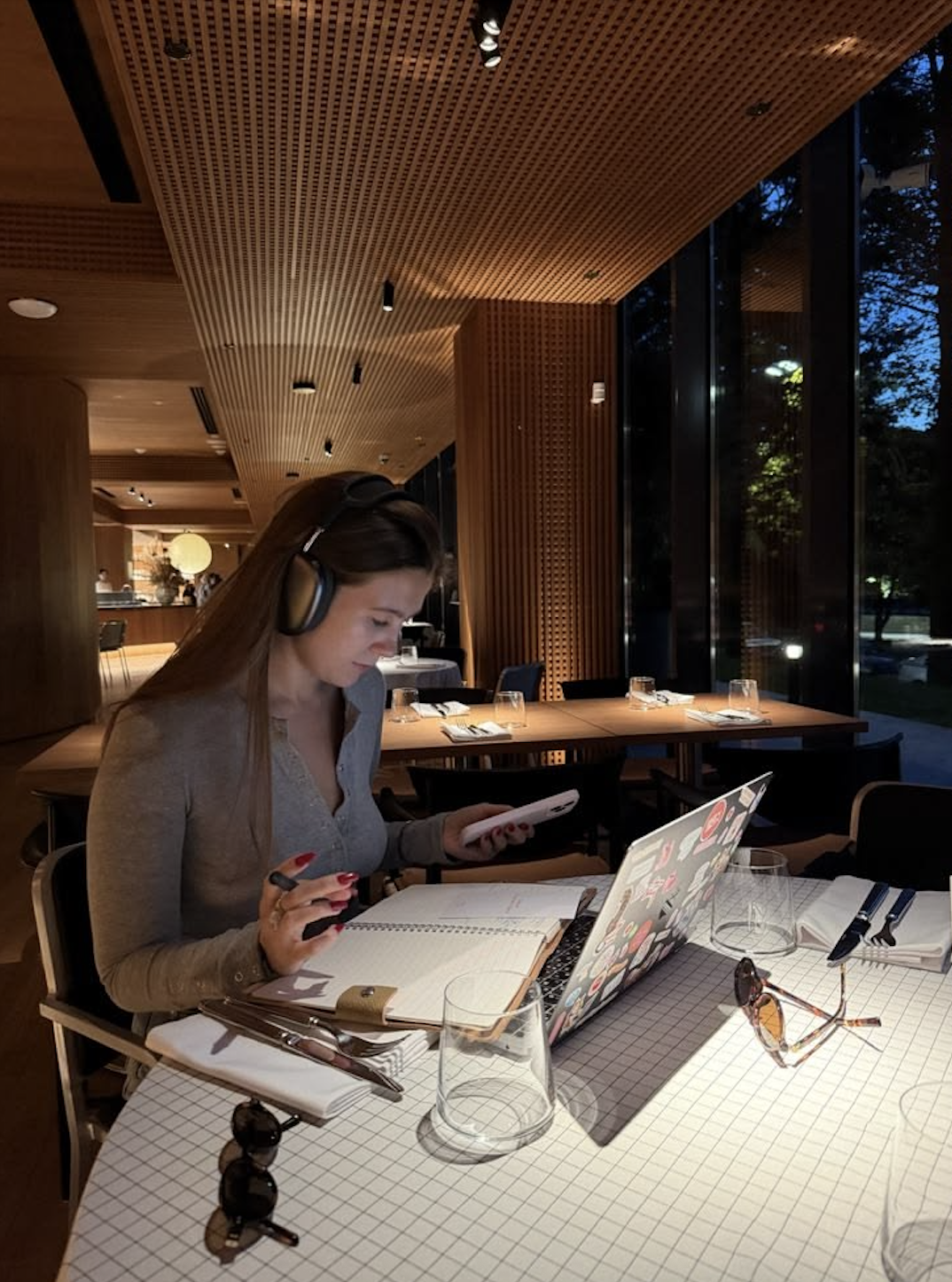
In many women’s lives - especially those in leadership, entrepreneurship, and high-responsibility roles - anxiety does not always present in obvious or disruptive ways. It often shows up as capability. It looks like preparedness, responsiveness, consistency. The ability to anticipate problems before they happen and to hold multiple responsibilities with visible strain. From the outside, these women are often described as high performers, natural leaders, or the one who always has it handled.
Yet beneath it all, many are living with an internal experience that includes tension, mental overactivity, and a nervous system that rarely gets to fully settle.
A nervous system that stays “on”
This is often referred to as high-functioning anxiety. While not a formal clinical diagnosis, it describes a very real and common nervous system pattern among women who lead.
From a nervous system perspective, high-functioning anxiety is often a state of ongoing sympathetic activation - the body’s “fight or flight” system staying on, even when there is no real danger. This system is meant to help us respond to stress in bursts so that we can focus, problem-solve, and take the action that we need.
In healthy cycles, the body activates when needed and then returns to a rest state. But when there aren’t enough moments of safety and rest, the nervous system can lose this rhythm and stay stuck in a state of readiness. For many women in leadership, this doesn’t feel like anxiety at first. They may start out feeling productive and motivated. The overthinking feels like a sense of responsibility, and staying ahead becomes a sense of control. And overtime, exhaustion starts to feel normal.
When Productivity Becomes a Baseline
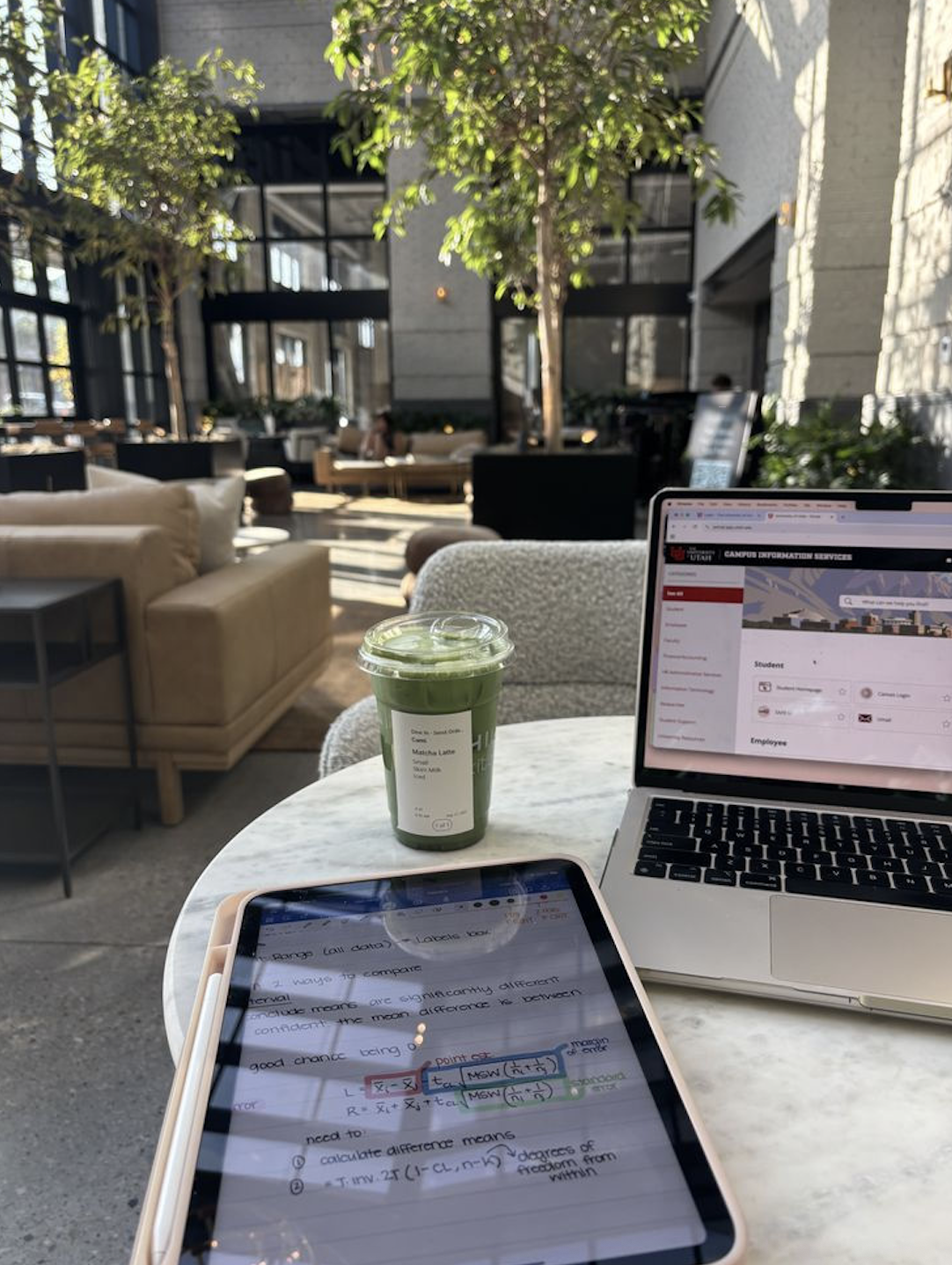
Eventually, the nervous system adjusts to this baseline. Slowing down becomes uncomfortable and rest feels unsafe or unproductive. Resting becomes more of a burden that helpful.
This isn’t just a mindset issue, it’s the body learning to stay in a constant state of “on.”
High functioning anxiety develops through a partnership between the nervous system and environment. Many women in leadership are naturally attuned and responsible, which are traits that are not only valued but rewarded. Over time, the body begins to associate these traits with safety. Preparation leads to success. Being needed leads to connection. Holding it all together leads to recognition. The nervous system in turn learns: this is what keeps me safe, so let’s stay in this state of being.
The Identity of Being the One Who Holds It All
A quiet internal pattern rooted in more of a felt experience - instead of thoughts - starts to form:
I feel safer when I am ahead. I feel safer when nothing is missed. I feel safer when everything is handled.
Without realizing it, the body starts to stay in a state of alertness - constantly scanning, anticipating, and preparing. What begins as a strategy becomes a baseline. It’s no longer something you do, but something your mind and body expects.

Losing Connection With Your Own Cues
Over time, this constant state of readiness can make it more difficult for the nervous system to shift into a resting state. Instead of moving effortlessly and at ease, the body can get used to staying on constantly. Many women notice this not as anxiety, but an inability to fully settle. The body now becomes organized around doing, instead of being. And since everything on the outside is business as usual, this state is often normalized.
For many women, this pattern doesn’t just reside in the body - it becomes their identity. The reliable one. The capable one. The one who holds everything together. These roles are often deeply valued, both internally and externally. Over time, the nervous system can begin to linksafety with not just doing, but with being needed. Then a little loop forms, validating the thoughts, feelings, and behaviors: If I keep doing, I stay steady. If I slow down, things will fall apart. If things fall apart, I am not safe. Over-functioning becomes more than just a habit, but away the body tries to create safety and stability.
As this pattern continues, many women begin to feel a distance in their own internal cues. This disconnection can show up as:
●Missing early signs of burnout
●Difficulty knowing what you need in the moment
●Living more in your head than in your body
●Feeling disconnected after periods of productivity
●Struggling to access rest
The nervous system prioritizes what it believes is most important for safety and that often becomes everything outside of you.
The Burnout No One Notices
At its core, high-functioning anxiety is often a nervous system trying to create certainty in uncertain environments. And entrepreneurship is inherently uncertain, so the mind begins to work harder. While this may create a temporary sense of control, it keeps the body in a constant state of activation. Over time, this leads to depletion and burnout. And burnout in this context isn’t about doing too much. It’s about rarely coming out of the constantly “on” state of being.
Furthermore, one of the most overlooked aspects of high-functioning anxiety is that it often doesn’t look like burnout from the outside. Many women are still showing up, leading, and achieving. But internally it can feel like:
●Running on empty while still performing
●Feeling more reactive than usual
●Struggling to feel present or fulfilled
●Needing to constantly stay busy
●Not switching off when resting
Because everything appears great on the outside, the internal experience can be minimized or unnoticed. Supporting high-functioning anxiety is about creating a different relationship with how your nervous system holds onto that drive. We want to shift gears from constant activation to flexible regulation. This can begin with small, intentional shifts like allowing moments of stillness without needing to earn them, pausing before reacting, or reconnecting with your body through breath and presence.

Shifting From Constant Activation To Regulation
This is a quiet shift happening in how women lead in today’s world. Success is no longer defined by output, but sustainability, clarity, and connection. A regulated leader is not less effective - she is more resourced. She can pause without panic, rest without guilt, and lead without leaving herself behind.
The reality is, high-functioning anxiety often goes unnoticed because it looks like success. It’s the woman who appears composed while feeling stretched thin. The leader who is dependable, yet depleted. The entrepreneur who is growing, but disconnected from herself. The goal is not to remove ambition, but support the whole system carrying it. This is a more sustainable way of holding onto drive and achievement. A way in which leadership no longer comes at the expense of your nervous system, and staying connected to yourself along the way is success.