What Happens When You Outgrow Who You Used to Be?
Why visibility can feel unsafe before it feels empowering…
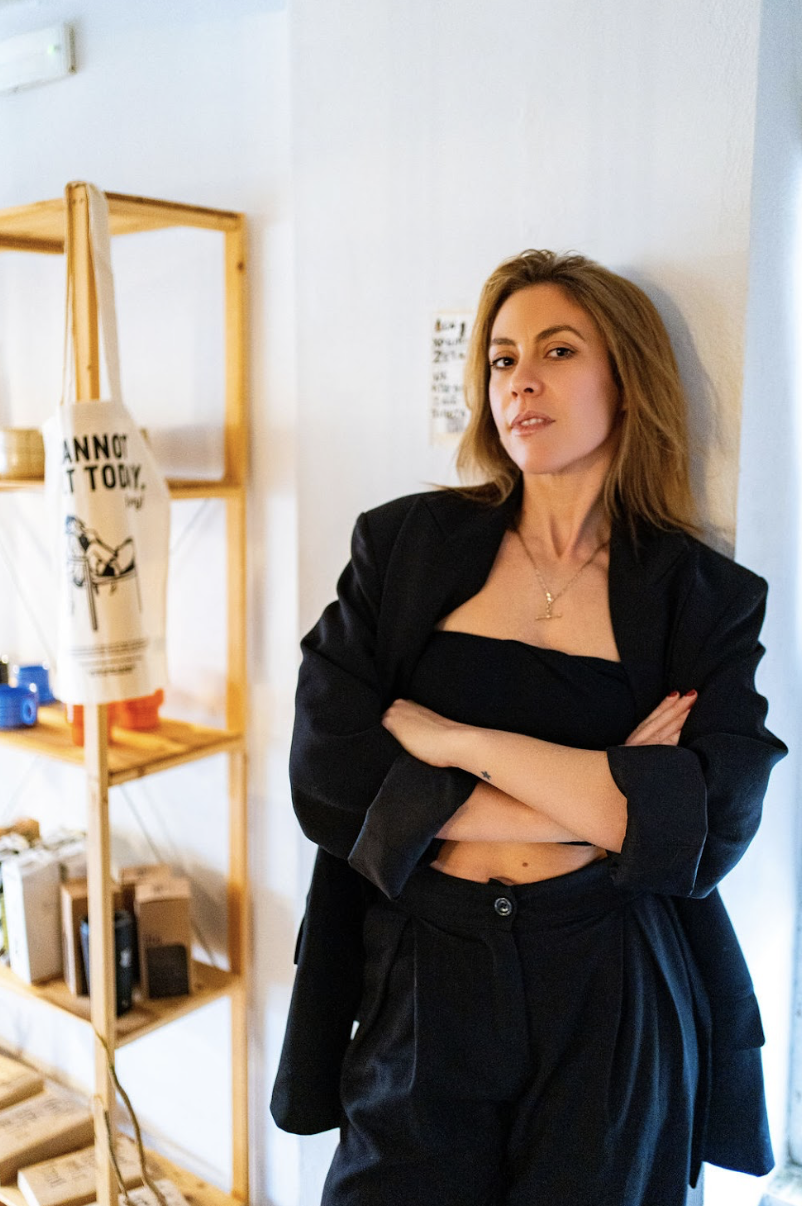
Emma Maidment is a wellness entrepreneur, international speaker, business mentor, podcast host, and author of Find Your Flow. Her work and story have been featured in leading publications globally. She helps leaders build magnetic personal brands and flow-based businesses that expand impact, income, and freedom. Co-founder of Flow States Collective & Flow OS, she mentors soul-led entrepreneurs to scale sustainably. Follow along at @emmamaidment_ for more.
We are taught to think of visibility as the reward - The thing you work toward. The proof and validation that it is working. It’s perceived as the moment effort turns into recognition:
Your first viral post. Your work shared widely. Being invited onto a stage. All of these are probably (or have been) on your vision board.
At first, visibility feels expansive. Energizing. Validating. It can feel like an arrival. What’s rarely spoken about is what happens after…
The moment visibility stops feeling exciting and starts feeling destabilizing. The moment being seen no longer feels optional. The moment your nervous system realizes something irreversible has shifted.
This is the visibility threshold. And crossing it changes you.

When Being Seen Becomes Exposure
In the early stages, visibility feels contained. You are sharing with people who already know you and your work. People who understand your context and want you to succeed.
But visibility by the nature of its intended use, does not stay contained.
At a certain point, your work moves beyond your immediate community. It reaches people who do not know you, do not understand you, and do not feel at all responsible for your wellbeing.
This is where the body responds. Because visibility is not just attention. It is exposure. You are no longer only being witnessed. You are being interpreted, projected onto, and sometimes distorted. And the body registers that shift before the mind can make sense of it.

My First Encounter With the Threshold
The first time I went viral was over a decade ago.
I shared my personal story of healing polycystic ovarian syndrome naturally. There was no strategy behind it. I shared because I knew, deeply, it would help other women understand there were holistic options available to them.
The article took off.
It was picked up by the Daily Mail and translated into multiple languages. Suddenly, I was everywhere. And with that came a level of exposure I was not prepared for.
The comments were brutal. My body was on display. Before and after photos of my skin were being scrutinised by strangers.
At the time, social media virality was quieter than it is now, so these comments existed on facebook posts or the articles themselves, but internally it felt overwhelming. My nervous system was in shock. I remember not wanting to write another article. I felt raw and overexposed.
But I did.
I wrote a follow-up piece sharing my morning wellness routine. The practices that had helped stabilize my hormones and ultimately changed my life for the better. The story was picked up again by the DailyMail, sensationalized and reframed. My words were twisted. The narrative became something I did not recognize.
That experience taught me something foundational. Visibility does not just amplify your message. It amplifies misinterpretation. And if your internal capacity does not match your external reach, visibility can feel unsafe.

Visibility Is a Somatic Experience
We talk about visibility as a mindset challenge, but it is not. It is a somatic one.
When exposure increases, the nervous system responds as though it is being assessed by the group. Heart rate changes. Muscles tighten. Sleep is disrupted. Thought patterns become hypervigilant.
This very real and visceral experience is not a weakness. It is biology.
Humans are wired for belonging. When criticism or judgment appears, the body registers threat. Disconnection feels dangerous because historically, it was. We survived literally because of the community around us.
Confidence does not make you immune to this. Clarity does not erase it. Leadership does not mean you stop being human.
From Performative to Embodied Visibility
Over the years, I have gone viral many times. I have shared openly about motherhood, business, and leadership. And each time the haters came, the people who lacked context, who told me to ‘stop breeding’ when I shared my approach to parenting or that I ‘should go and die’ when I shared my thoughts on holistic health. And each time it bothered me less and less. I didn’t feel the same restriction and desire to hide as I once did. What changed was not my exposure. I didn’t decide to ‘not care what they thought’. It was my embodiment. I became rock solid in my own truth.
Many women get caught in performative visibility. Oversharing disguised as authenticity. Speaking from open wounds while calling it bravery. Seeking validation while telling themselves they are being real.
Embodied visibility is different.
It comes from integration. From having already moved through the lesson. From sharing from the scar, not the wound.
I never share from an open nervous system. I share once my body has caught up with the insight. This is not about hiding or being inauthentic. It is about timing.
Some experiences need to be lived privately before they are made public. Some truths need to settle before they are shared. This is how authenticity becomes embodied rather than performative.
When Identity, Leadership, and Recognition Collide
At a certain point, visibility stops being about content and starts being about identity.
Who are you when people know things about you before you speak? Who are you when your work precedes you? Who are you when recognition is no longer anonymous? This is where many women unconsciously self-abandon. They soften their message. They over-explain. They pre-emptively defend themselves. Or they armour up and disconnect. Neither is leadership.
Before visibility expands, identity must stabilize. You must know what you stand for. What you are not available for. What you are here to lead. Without that clarity, recognition can feel destabilizing rather than grounding.
The Cost of Being the Face of Your Work
We often encourage women to be visible without acknowledging the cost. Being the face of your work means your nervous system is part of the ecosystem. It requires internal boundaries, not just external ones. You do not need to share everything to be powerful. You do not need to make your entire life public to be trusted.
Visibility without boundaries is not freedom. It is exposure without safety.
Growing the Capacity to Be Seen
Visibility is not something you conquer. It is something you grow into.
Capacity is built through nervous system regulation, identity clarity, internal boundaries, and discernment about what and when you share. The goal is not to be unaffected. It is to be grounded, stable. To be able to be seen without shrinking. To be recognized without over-performing. To lead without abandoning yourself.
Because the real work of visibility is not being seen.
It is staying whole once you are.
All images are by photographer: @bycristinanicole